
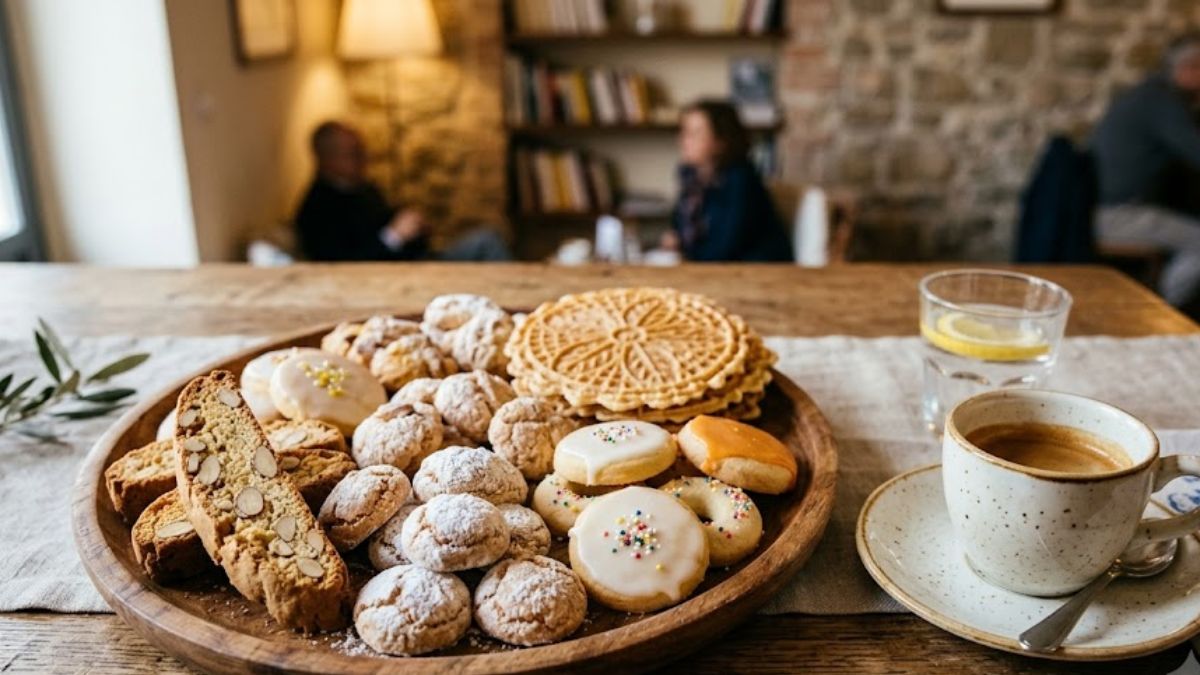
Italian cookies have earned a special place in kitchens around the world for their simple ingredients, rich flavors, and long-standing traditions. From crisp almond biscuits served with coffee to soft iced cookies enjoyed during celebrations, these classic treats reflect generations of Italian baking. Every region of Italy has its own specialties, making Italian cookies one of the most diverse categories of Italian desserts.
Many families continue passing down a favorite Italian cookie recipe, while others enjoy experimenting with modern variations. Whether you are preparing homemade italian cookies for a family gathering or baking italian christmas cookies during the holiday season, understanding the basics helps you achieve authentic results.
This guide covers the history of Italian cookies, the most popular varieties, essential ingredients, expert baking advice, and practical tips that help beginners and experienced bakers alike.
What Are Italian Cookies?
Italian cookies are traditional baked treats that vary from region to region across Italy. Unlike many heavily decorated cookies, they often focus on natural flavors such as almond, vanilla, lemon, anise, hazelnut, honey, and citrus zest.
Many recipes use pantry staples including flour, eggs, butter, sugar, and baking powder. Others incorporate olive oil instead of butter, giving the cookies a lighter texture and distinctive flavor. Their balanced sweetness makes them ideal for serving with espresso, cappuccino, tea, or dessert wine.
Some varieties are crunchy enough for dipping into coffee, while others remain soft with a delicate glaze. This versatility explains why Italian cookies remain popular throughout the year.
The History Behind Italian Cookies
Italian baking traditions date back hundreds of years. Early recipes developed in monasteries and family kitchens using locally available ingredients such as almonds, honey, citrus fruits, and dried fruits.
Popular Types of Italian Cookies
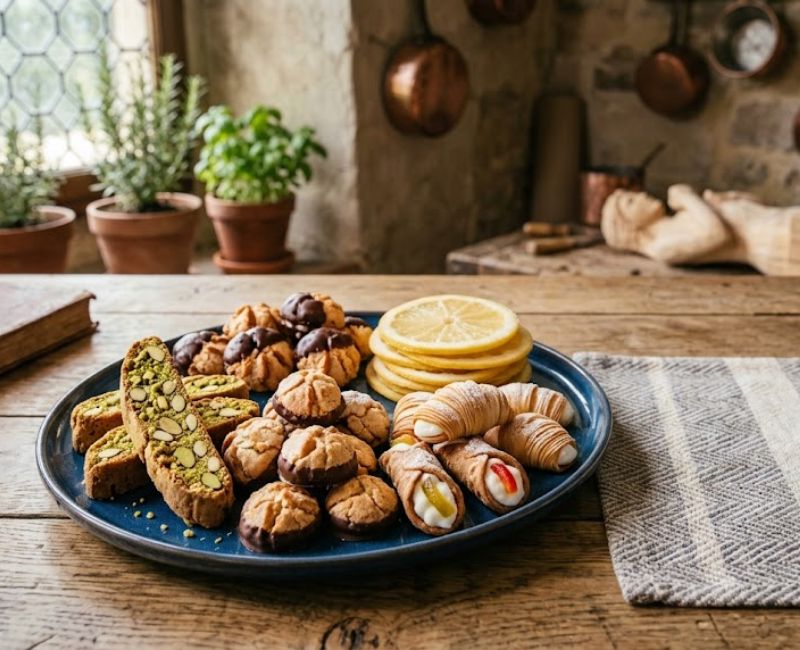
Italy offers an impressive selection of cookies, each with its own texture and flavor.
Biscotti
Perhaps the most recognizable Italian cookie, biscotti are baked twice to create their signature crisp texture. They often contain almonds, pistachios, or chocolate chips and are traditionally served with coffee.
Anginetti
These soft lemon cookies are covered with a light glaze and colorful sprinkles. Their tender texture makes them especially popular during holidays and family celebrations.
Amaretti
Made primarily with almond flour or finely ground almonds, amaretti have a slightly crisp exterior and a chewy center. Their rich almond flavor pairs beautifully with espresso.
Pizzelle
Thin waffle cookies featuring decorative patterns, pizzelle are commonly flavored with vanilla, anise, or lemon. They are among the oldest traditional Italian cookies still enjoyed today.
Cuccidati
Often prepared as italian christmas cookies, cuccidati feature a rich filling of dried figs, nuts, raisins, spices, and citrus before being topped with icing and sprinkles.
Essential Ingredients for Homemade Italian Cookies
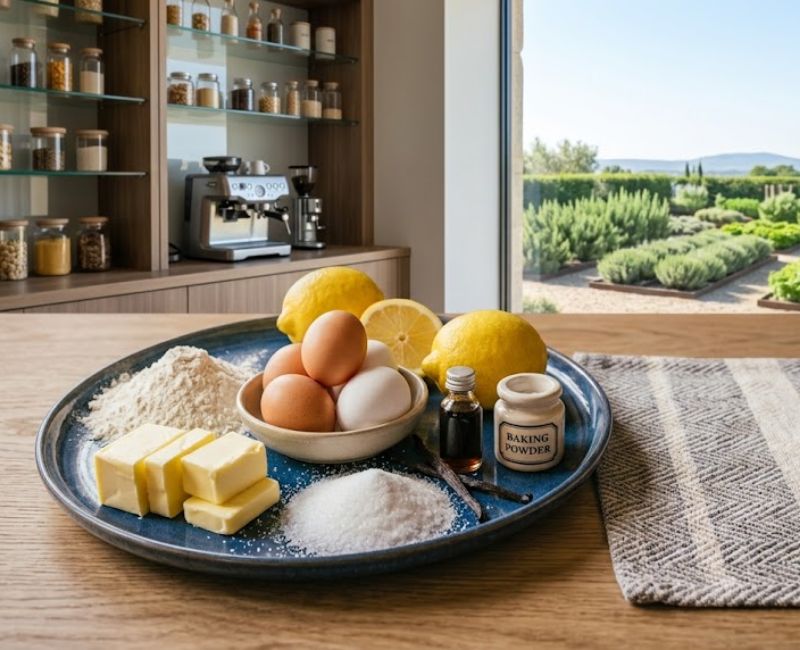
Most homemade italian cookies begin with a few basic ingredients.
- All-purpose flour
- Unsalted butter
- Eggs
- Granulated sugar
- Baking powder
- Vanilla extract
- Lemon zest
- Almond extract (optional)
- Salt
Depending on the recipe, additional ingredients may include chopped almonds, hazelnuts, pistachios, dried fruit, honey, cocoa powder, or chocolate chips.
Fresh ingredients always produce the best flavor and texture. High-quality butter, pure vanilla extract, and fresh citrus zest make a noticeable difference in the final cookies.
Choosing the Right Flour
Flour affects both texture and structure. Standard all-purpose flour works well for most recipes, while pastry flour creates softer cookies..
Butter vs. Olive Oil
Some traditional recipes rely on butter for richness, while others use olive oil for a lighter crumb.
Butter creates softer cookies with a richer taste. Olive oil produces a slightly lighter texture while adding subtle fruity notes commonly found in southern Italian recipes.
Classic Italian Cookie Recipe
Making traditional Italian cookies at home is easier than many people expect. The recipe below creates soft, flavorful cookies that can be customized with different extracts, glazes, or toppings.
Ingredients
- 3 cups all-purpose flour
- 2 teaspoons baking powder
- ¼ teaspoon salt
- ½ cup unsalted butter, softened
- 1 cup granulated sugar
- 3 large eggs
- 1 teaspoon vanilla extract
- ½ teaspoon almond extract
- 1 tablespoon fresh lemon zest
- 2–3 tablespoons milk (if needed)
For the Glaze
- 1½ cups powdered sugar
- 2–3 tablespoons milk
- ½ teaspoon vanilla extract
- Colorful sprinkles (optional)
Step-by-Step Instructions
1. Prepare the Dough
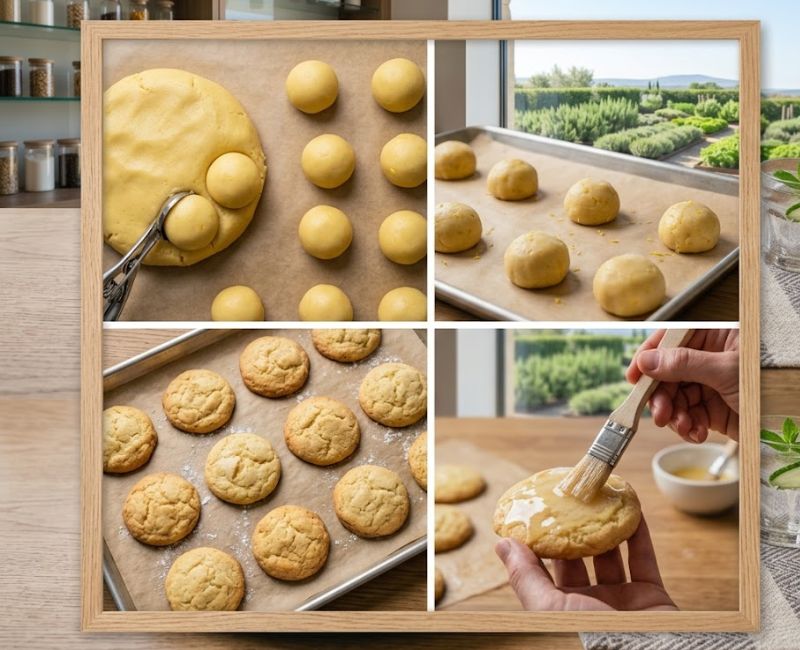
Preheat the oven to 350°F (175°C) and line a baking tray with parchment paper. Mix the dry ingredients, then beat the butter, sugar, eggs, extracts, and lemon zest until smooth. Fold in the dry mixture to form a soft dough.
2. Shape the Cookies
Roll the dough into 1-inch balls and place them on the baking tray, leaving a little space between each cookie.
3. Bake
Bake for 10–12 minutes until the bottoms are lightly golden. The tops should remain soft and pale.
4. Cool
Let the cookies cool on the baking sheet for 5 minutes, then transfer them to a wire rack to cool completely.
5. Glaze and Finish
Mix the powdered sugar, milk, and vanilla to make a smooth glaze. Dip each cooled cookie into the glaze, add sprinkles if desired, and let the icing set before serving. This classic finish is perfect for italian christmas cookies..
Popular Flavor Variations
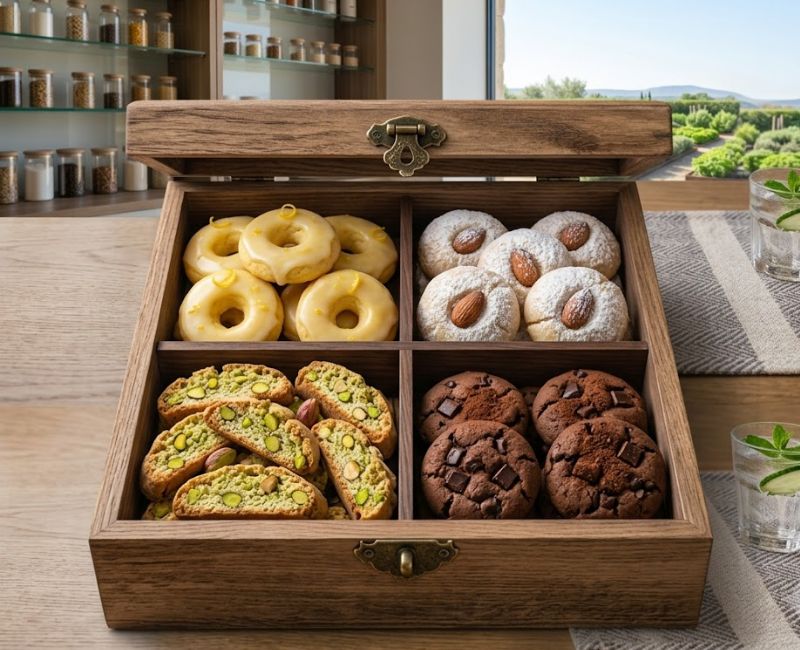
One reason people enjoy homemade italian cookies is the endless opportunity for customization.
Almond Cookies
Replace some of the vanilla extract with almond extract and sprinkle sliced almonds over the cookies before baking.
Lemon Cookies
Increase the amount of fresh lemon zest and add a small amount of lemon juice to the glaze for a bright citrus flavor.
Chocolate Chip Version
Fold mini chocolate chips into the dough for a family-friendly variation while keeping the traditional texture.
Pistachio Cookies
Mix finely chopped pistachios into the dough and garnish with additional nuts after glazing.
Orange-Anise Cookies
Orange zest combined with a small amount of anise extract creates a classic flavor combination found in many regional Italian recipes.
Italian Christmas Cookies
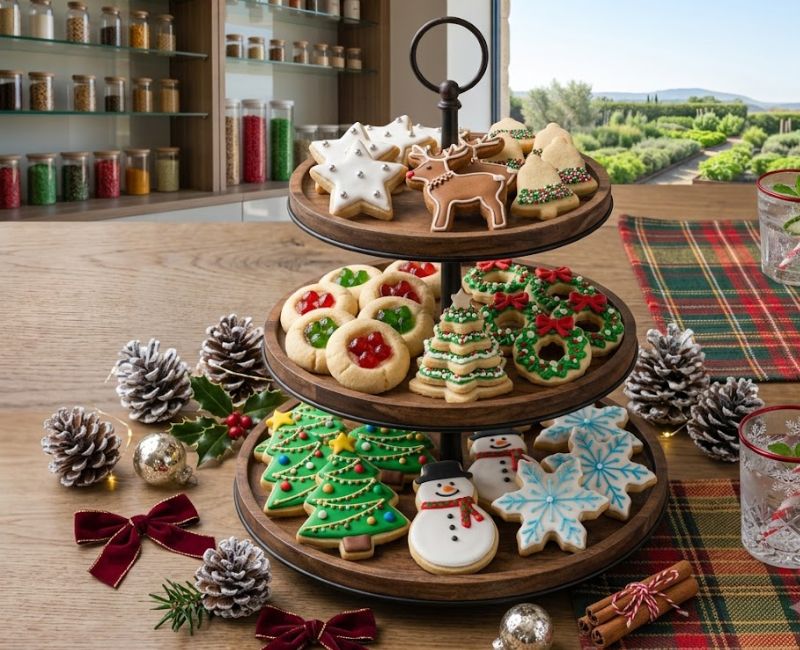
During the holiday season, cookie trays become an important part of family celebrations throughout Italy.
Many households prepare several different varieties instead of baking only one recipe. A holiday cookie platter may include:
- Iced vanilla cookies
- Biscotti
- Amaretti
- Cuccidati
- Pizzelle
- Almond crescents
Preparing multiple batches allows family members to enjoy different textures and flavors while preserving treasured traditions.
Many recipes are made several days before Christmas because the flavors continue developing as the cookies rest.
Need a quick option? Try Crumbl Cookie Near Me.
Expert Baking Tips
Even a simple recipe benefits from careful preparation. These baking tips can improve both texture and flavor.
Measure Ingredients Accurately
Too much flour is one of the most common reasons cookies become dry.
Use a kitchen scale whenever possible, or spoon flour into the measuring cup before leveling it with a straight edge.
Bring Ingredients to Room Temperature
Butter and eggs blend more evenly when they are not cold.
Room-temperature ingredients create smoother dough and more consistent baking.
Avoid Overmixing
Mix only until the flour disappears into the dough.
Excessive mixing develops gluten, resulting in cookies that are firmer instead of tender.
Chill Sticky Dough
If your kitchen is warm or the dough becomes difficult to handle, refrigerate it for 20–30 minutes.
Chilled dough is easier to shape and helps cookies maintain their form while baking.
Common Mistakes to Avoid
Even experienced bakers occasionally run into problems. Knowing these common mistakes can help you achieve better results every time.
Using Old Baking Powder
Expired baking powder reduces lift, leaving cookies dense and heavy.
Baking Too Long
Italian cookies should remain soft inside with only lightly golden bottoms.
Leaving them in the oven for extra minutes often creates a dry texture.
Adding Too Much Flour
Dense dough produces hard cookies.
Always measure flour carefully instead of packing it into measuring cups.
Glazing Warm Cookies
Warm cookies cause the icing to melt and slide off.
Wait until the cookies have cooled completely before decorating.
How to Store Italian Cookies
Proper storage keeps cookies fresh for several days.
- Store glazed cookies in an airtight container for up to five days at room temperature.
- Refrigerate cream-filled variations for up to one week.
- Freeze baked cookies for up to three months in freezer-safe containers.
- Place parchment paper between layers to prevent sticking.
Many traditional Italian cookies actually taste even better the following day because their flavors have had time to develop.
Frequently Asked Questions
1. What are traditional Italian cookies?
Traditional Italian cookies are classic treats made with simple ingredients like flour, butter, eggs, and almonds, with recipes varying by region.
2. Can I make homemade Italian cookies ahead of time?
Yes. Bake them in advance and store them in an airtight container for several days.
3. What is the most popular Italian cookie recipe?
Biscotti is one of the best-known Italian cookies, loved for its crisp texture and coffee-friendly crunch.
4. Are Italian Christmas cookies different?
Yes. They often include festive flavors, icing, nuts, or dried fruit for holiday celebrations.
5. Can I freeze Italian cookies?
Yes. Freeze them in an airtight container for up to three months while maintaining their quality..
Prefer buying instead? See Crumbl Cookie Near Me.
Conclusion
Italian cookies are more than just sweet treats—they represent generations of family recipes, regional traditions, and timeless baking techniques. Whether you enjoy crisp biscotti, soft glazed cookies, or festive italian christmas cookies, each recipe offers its own unique flavor and charm. With quality ingredients, careful preparation, and the baking tips shared in this guide, you can confidently bake delicious homemade Italian cookies that taste authentic and are perfect for everyday desserts or holiday gatherings. Once you master a classic italian cookie recipe, you’ll have a versatile favorite that’s worth making again and again.