
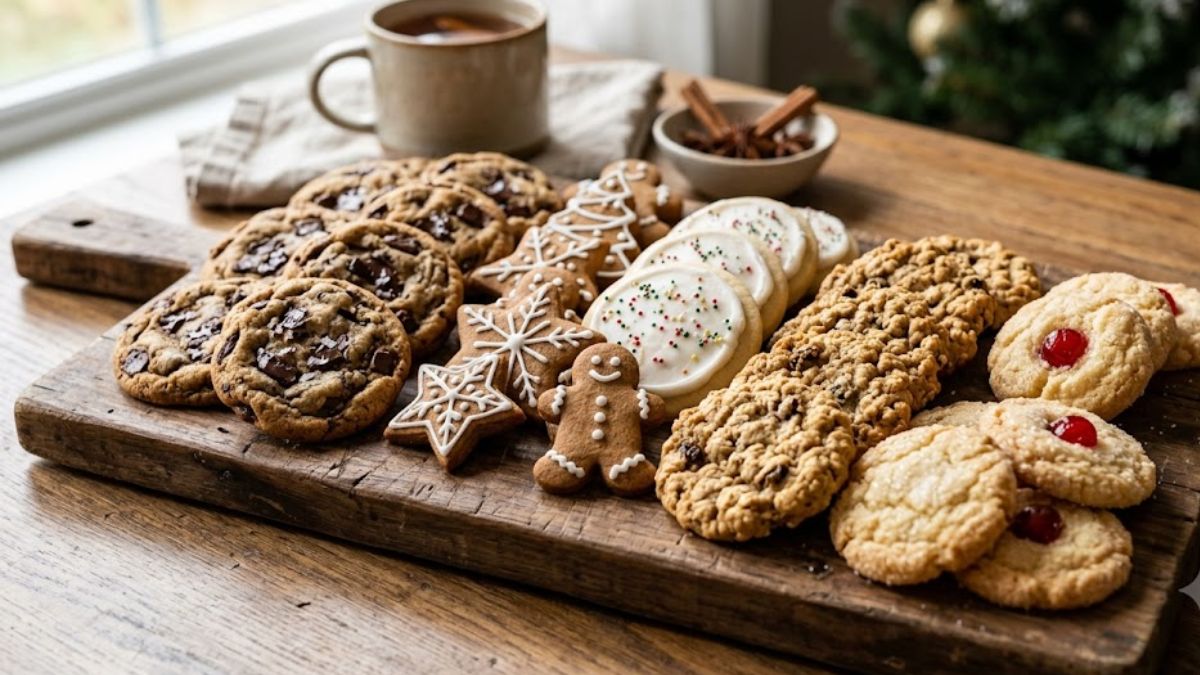
Few desserts have remained as timeless as cookies, bringing comfort, flavor, and a touch of sweetness to everyday moments and special celebrations alike. From soft and chewy classics to crisp buttery bites, the types of cookies available today are more diverse than ever. Whether you’re baking at home, shopping at a local bakery, or searching for new recipes to try, understanding the different styles of cookies makes it easier to find your next favorite.
The world of types of cookies is filled with endless flavors, textures, and traditions, giving every baker and dessert lover plenty of delicious options to explore. Some recipes have been passed down through families for decades, while others have become modern favorites thanks to creative bakers. In this guide, you’ll discover the most popular cookie categories, what makes each one unique, and helpful tips for choosing the right cookie for any occasion.
What Are Cookies?
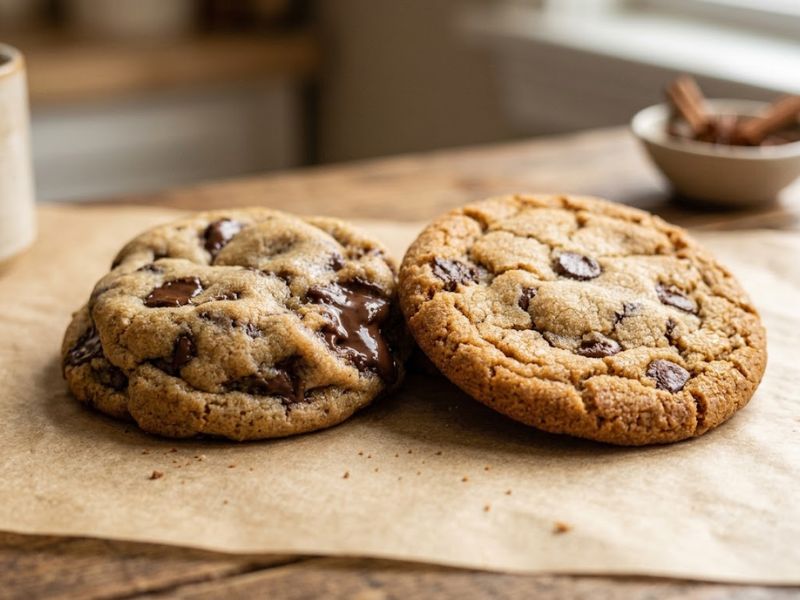
The many types of cookies are made from simple ingredients like flour, butter, sugar, and eggs, but each recipe creates a unique flavor and texture. While the basic ingredients remain similar, slight changes in the recipe can completely transform the final result. Some cookies are soft and cake-like, others are crisp and delicate, while many have a perfectly chewy center with lightly golden edges.
One reason cookies remain so popular is their incredible versatility. They can be made with chocolate, nuts, dried fruit, spices, oats, caramel, or countless other ingredients. This flexibility has led to hundreds of cookie varieties, each with its own flavor, texture, and baking method.The wide range of types of cookies means there’s a perfect choice for every taste.
A Brief History of Cookies
The history of cookies dates back hundreds of years. Early bakers prepared small portions of dough to test oven temperatures before baking larger loaves of bread. These small test pieces eventually became treats of their own.
As baking techniques spread across Europe and later North America, cookies evolved into many regional specialties. Today, recipes continue to blend traditional methods with modern ingredients, creating countless different types of cookies enjoyed around the world.
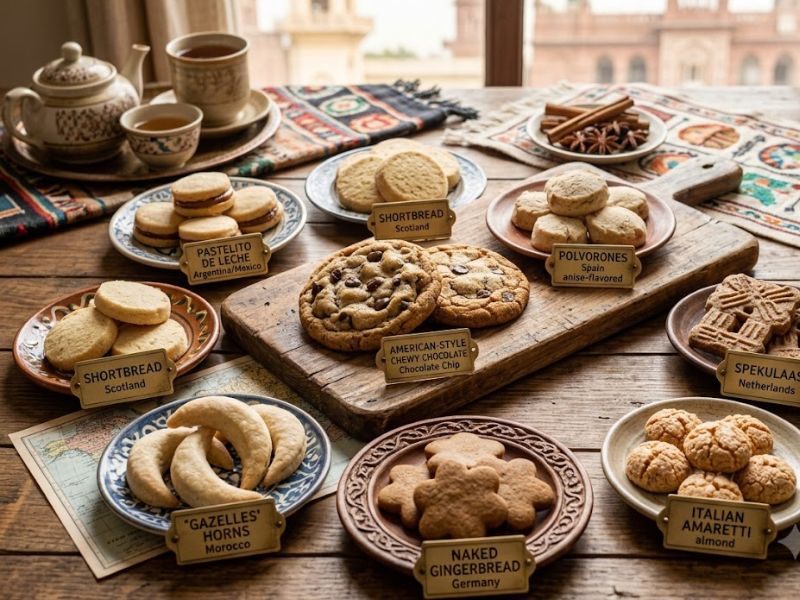
Over time, types of cookies have evolved to reflect local ingredients, traditions, and baking styles from around the world.Exploring types of cookies from different countries is a great way to experience new flavors and baking traditions.
If you enjoy traditional European treats, be sure to explore our guide to Italian cookies for classic recipes and regional favorites.
Why Cookies Continue to Be So Popular
Few desserts offer the same balance of convenience, variety, and comfort as cookies. They’re easy to share, simple to store, and suitable for everything from everyday snacks to holiday celebrations.
People love types of cookies because there’s a style to suit every preference, from chewy chocolate chip cookies to crisp buttery classics.Whether someone enjoys rich chocolate flavors, buttery classics, fruity fillings, or crunchy textures, there’s always a cookie that fits the occasion. Their portable size also makes them perfect for lunchboxes, parties, gifts, and afternoon coffee breaks.
Main Types of Cookies
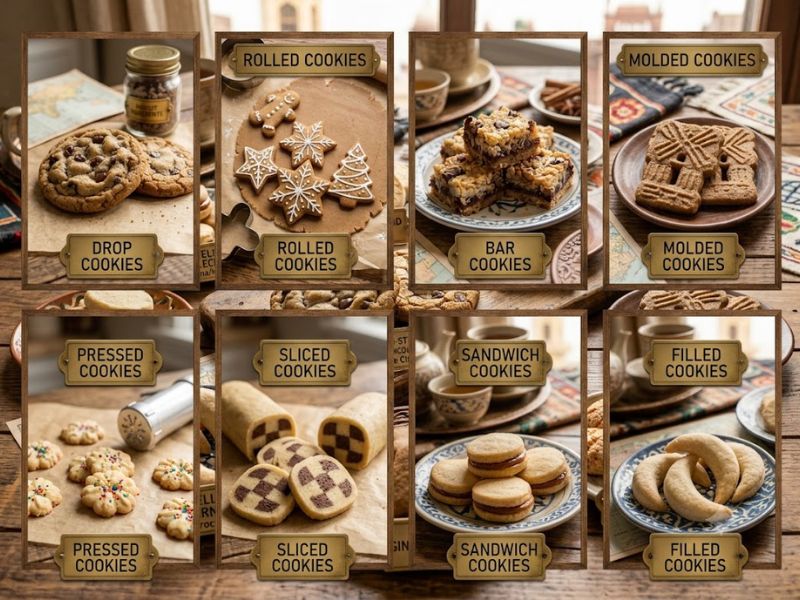
Although hundreds of recipes exist, most cookies fall into several classic categories. Understanding these groups makes it much easier to recognize different baking styles and experiment with new recipes.
Drop Cookies
Drop cookies are among the easiest and most common cookies to bake. The dough is simply scooped with a spoon or cookie scoop and dropped directly onto a baking sheet without additional shaping.
Popular examples include:
- Chocolate chip cookies
- Oatmeal cookies
- Peanut butter cookies
- Monster cookies
These cookies often have soft centers and lightly crisp edges, making them a favorite for home bakers of every skill level.
Best For
- Everyday baking
- Beginner bakers
- Family desserts
- Quick homemade treats
Rolled Cookies
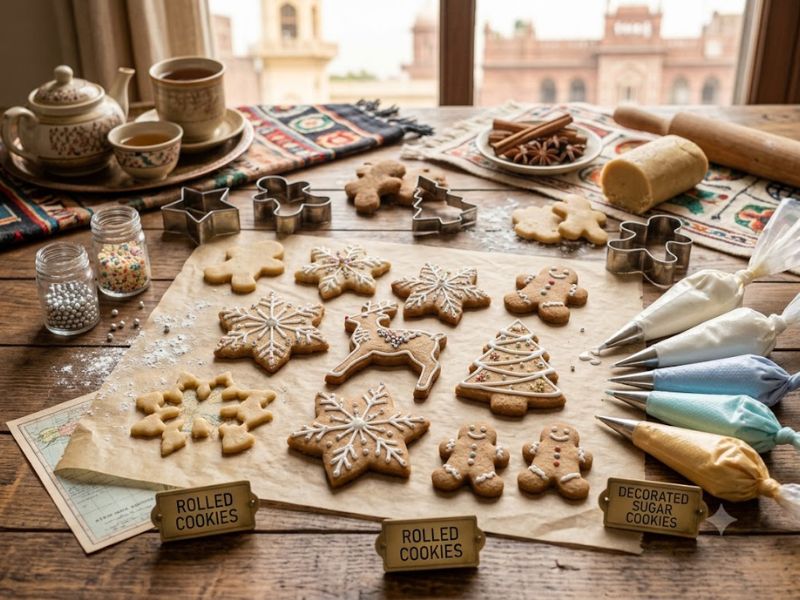
Rolled cookies start with chilled dough that is rolled flat before being cut into decorative shapes using cookie cutters.
Because they hold their shape well during baking, they’re especially popular during holidays and celebrations.
Common examples include:
- Sugar cookies
- Gingerbread cookies
- Holiday decorated cookies
- Valentine heart cookies
Rolled cookies also provide the perfect surface for icing, royal frosting, sprinkles, and colorful decorations.
Best For
- Holiday baking
- Cookie decorating
- Birthday parties
- Gift boxes
Bar Cookies
Unlike traditional cookies baked individually, bar cookies are prepared in one large baking pan before being sliced into squares or rectangles after cooling.
This method saves time while producing rich, satisfying desserts with minimal effort.
Popular examples include:
- Blondies
- Brownie-style cookie bars
- Lemon bars
- Magic cookie bars
Because they bake as one large batch, bar cookies are an excellent option when serving larger groups.
Molded Cookies
Molded cookies are shaped by hand before baking. Bakers often roll the dough into balls, logs, crescents, or other decorative forms.
These cookies usually have a rich buttery texture and are common during festive occasions.
Well-known examples include:
- Peanut butter blossoms
- Snowball cookies
- Mexican wedding cookies
- Butter cookies
Many molded cookies are finished with powdered sugar, chopped nuts, or chocolate for extra flavor and visual appeal.
Pressed Cookies
Pressed cookies are made using a cookie press that pushes soft dough through decorative discs, creating detailed shapes with very little effort.
The dough contains a higher percentage of butter, producing delicate cookies with crisp edges and a tender bite.
Classic pressed cookies include:
- Spritz cookies
- Butter press cookies
- Holiday wreath cookies
Because of their elegant appearance, pressed cookies are often served during Christmas, weddings, and other special gatherings.
If buttery, crisp cookies are your favorite, our butter cookie recipe is a great place to start.
Sliced Cookies
Sliced cookies, often called refrigerator cookies or icebox cookies, begin as logs of dough that are chilled until firm. Once the dough is cold, it’s sliced into even rounds and baked. This method makes it easy to prepare dough ahead of time and bake fresh cookies whenever you need them.
Popular examples include:
- Butter slice cookies
- Chocolate pinwheel cookies
- Shortbread cookies
- Vanilla icebox cookies
These cookies usually have crisp edges, a tender center, and a clean, uniform appearance that makes them perfect for cookie platters.
Best For
- Preparing dough in advance
- Holiday baking
- Batch baking
- Consistent cookie shapes
Sandwich Cookies
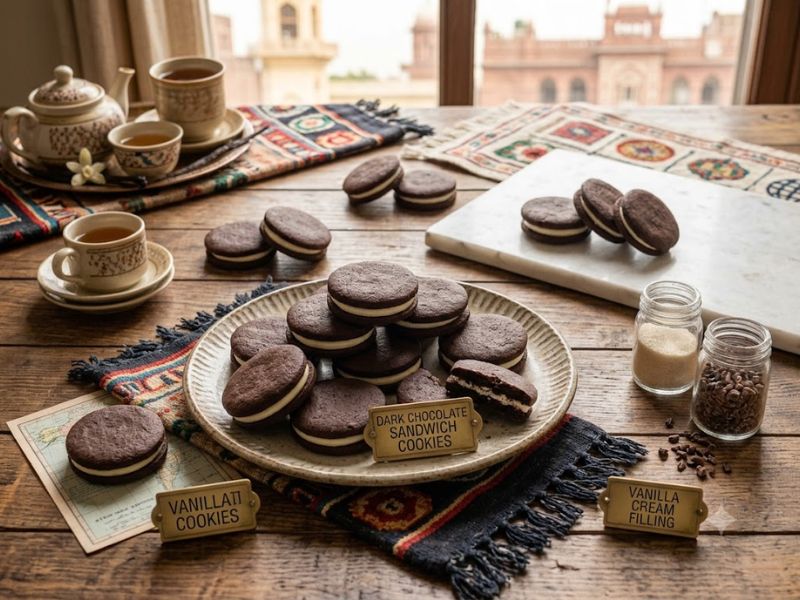
Sandwich cookies are made by placing a creamy filling between two baked cookies. The filling can be buttercream, chocolate ganache, fruit jam, marshmallow, or cream cheese frosting.
Their combination of crunchy or soft cookies with a rich filling creates a dessert that’s both satisfying and visually appealing.
Popular examples include:
- Chocolate sandwich cookies
- Vanilla cream cookies
- Jam sandwich cookies
- Peanut butter sandwich cookies
These cookies are ideal for birthdays, celebrations, and dessert tables because they look impressive without requiring complicated decorating skills.
Filled Cookies
Filled cookies hide a delicious surprise inside. Instead of adding the filling after baking, it’s wrapped inside the dough before the cookies go into the oven.
Common fillings include:
- Chocolate
- Caramel
- Fruit preserves
- Peanut butter
- Nut pastes
Each bite delivers a burst of flavor, making these cookies a favorite for anyone who enjoys rich, indulgent desserts.
Popular Cookie Flavors
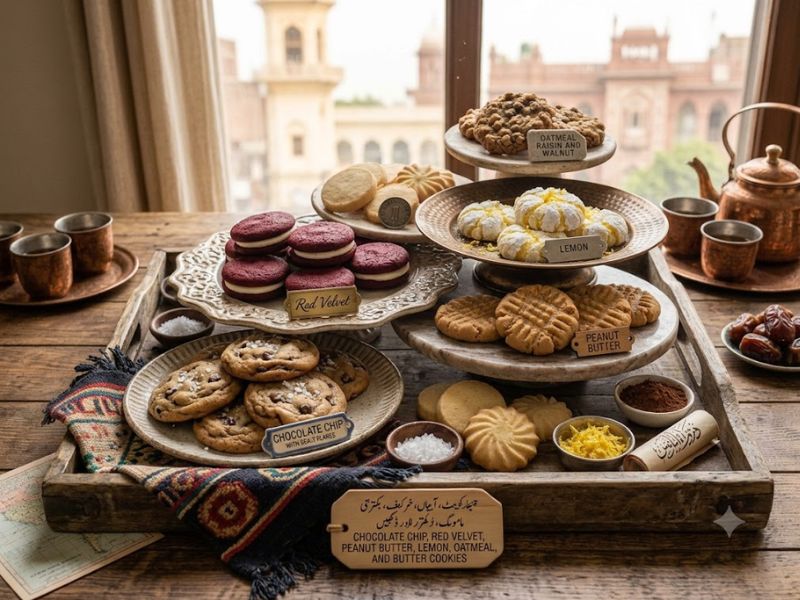
While baking methods create different textures, flavors give each cookie its own personality. Some of the most loved cookie flavors include:
- Chocolate chip
- Double chocolate
- Peanut butter
- Oatmeal raisin
- Sugar cookie
- Butter cookie
- Gingerbread
- Snickerdoodle
- Lemon
- Red velvet
- Coconut
- White chocolate macadamia
These flavors continue to inspire new recipes, allowing bakers to create endless cookie varieties for every season and celebration.
For a rich bakery-style treat, try our white chocolate macadamia nut cookies recipe packed with creamy white chocolate and crunchy macadamia nuts.
There are types of cookies to suit every taste, from soft and chewy to crisp and buttery.
Homemade vs. Bakery Cookies
Both homemade and bakery cookies have their own appeal.
Homemade cookies offer complete control over ingredients, sweetness, texture, and portion size. They also fill the kitchen with the comforting aroma of fresh baking and can easily be customized to suit personal tastes.
Bakery cookies, on the other hand, often feature larger portions, creative flavor combinations, and professional presentation. They’re a great option when you’re short on time or looking to try something unique.
There’s no right or wrong choice the best option depends on your schedule, preferences, and the occasion.
Whether homemade or store-bought, types of cookies continue to grow in popularity because there’s something for every taste.
Expert Tips for Baking Better Cookies
Small changes can make a noticeable difference in your results.
- Measure ingredients accurately using proper measuring cups.
- Bring butter and eggs to room temperature unless the recipe says otherwise.
- Chill the dough when recommended to prevent excessive spreading.
- Use parchment paper or a silicone baking mat for even baking.
- Leave enough space between cookies on the baking sheet.
- Remove cookies when the edges are set but the centers still look slightly soft.
- Allow cookies to cool on the baking sheet for a few minutes before transferring them to a cooling rack.
These simple habits help produce cookies with better texture, flavor, and appearance.
Understanding how ingredients work together can improve the texture and flavor of many types of cookies.The best types of cookies often come from simple recipes made with quality ingredients.
Common Mistakes to Avoid
Even experienced bakers occasionally make mistakes. Avoiding these common issues will improve your baking results.
- Overmixing the dough, which can create tough cookies.
- Using too much flour, leading to dry cookies.
- Baking at the wrong oven temperature.
- Overbaking until the cookies become hard.
- Skipping the chilling step when the recipe requires it.
- Crowding the baking sheet, causing cookies to bake unevenly.
Paying attention to these details makes a noticeable difference in every batch.
How to Store Cookies Properly
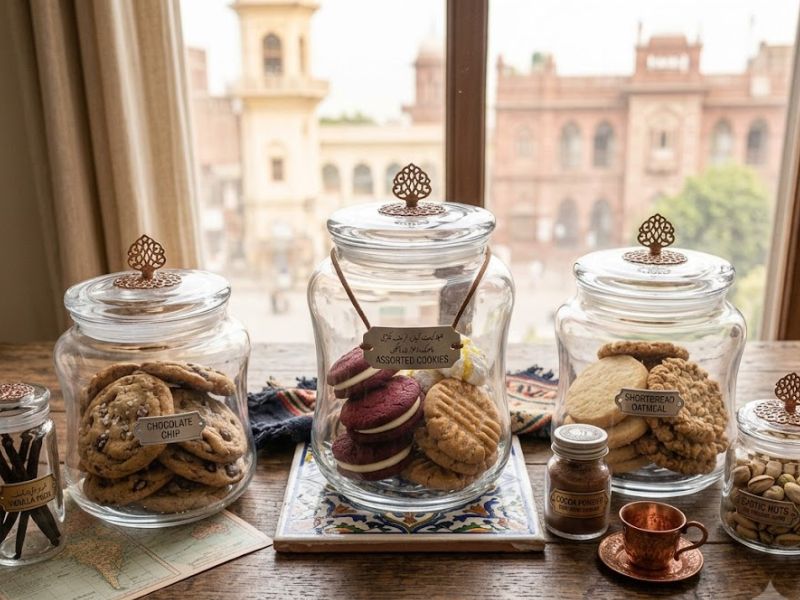
Proper storage helps cookies stay fresh longer.
- Store completely cooled cookies in an airtight container.
- Keep soft and crispy cookies in separate containers to preserve their texture.
- Layer delicate cookies with parchment paper to prevent breakage.
- Freeze baked cookies or cookie dough for longer storage.
- Keep containers away from heat, sunlight, and moisture.
Following these simple steps helps maintain freshness and flavor for days.
Proper storage helps types of cookies stay fresh longer while preserving their texture and flavor.
Choosing the Right Cookie for Every Occasion
With so many types of cookies available, selecting the right one depends on the event.
- Soft chocolate chip cookies are perfect for casual family desserts.
- Decorated sugar cookies work beautifully for birthdays and holidays.
- Butter cookies make elegant gifts.
- Oatmeal cookies pair well with breakfast or afternoon coffee.
- Sandwich cookies are ideal for parties.
- Filled cookies add a special touch to celebrations.
Exploring new types of cookies throughout the year is a great way to discover fresh flavors, textures, and family favorites.Trying new types of cookies is a simple way to discover fresh flavors and favorite recipes.
Frequently Asked Questions
1. What are the most popular types of cookies?
Chocolate chip, sugar, oatmeal, peanut butter, and shortbread are some of the most popular cookie types.
2. Which type of cookie is easiest to bake?
Drop cookies, like chocolate chip cookies, are the easiest choice for beginners.
3. How do I keep cookies fresh?
Store them in an airtight container at room temperature once they’ve completely cooled.
4. What’s the difference between soft and crispy cookies?
Soft cookies have more moisture, while crispy cookies are baked longer for a crunchier texture.
5. How many cookie varieties are there?
There are hundreds of cookie varieties, with new recipes and flavors created every year.
Conclusion
With so many types of cookies to choose from, there’s truly something for every taste and occasion. Whether you’re baking at home or visiting a bakery, exploring new types of cookies is always a delicious way to enjoy something different.Pick a recipe that catches your eye, start baking, and enjoy every delicious bite.