
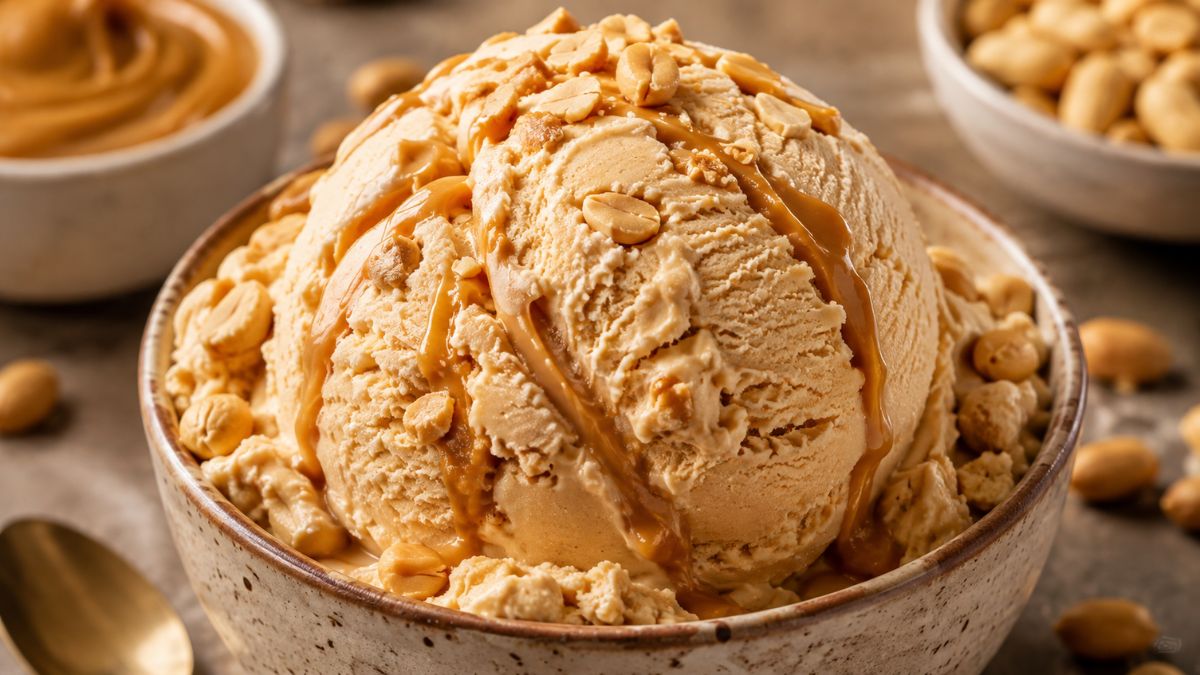
If you love the rich, nutty flavor of peanut butter, this peanut butter ice cream recipe is a simple way to turn it into a cold, creamy dessert at home. The peanut butter gives the ice cream a deep roasted flavor, while the dairy base keeps it smooth enough to scoop and enjoy on its own.
One of the best things about this recipe is how easy it is to adjust to your taste. You can keep the ice cream simple, fold in chocolate chips or cookie pieces, or create a peanut butter swirl for extra flavor. There is also a no-churn option for anyone who does not have an ice cream maker, so you can make this homemade peanut butter ice cream with equipment you already have.
Why This Peanut Butter Ice Cream Works
Peanut butter can be tricky in frozen desserts because it is thick and naturally rich. Simply stirring a large amount into an ordinary ice cream base can leave the mixture heavy or uneven. The key is to blend it properly with the liquid ingredients before the mixture is chilled.
This peanut butter ice cream recipe gets its creamy texture from the right balance of dairy and peanut butter.
A Rich but Balanced Flavor
Peanut butter has a naturally salty, roasted taste, which means the ice cream does not need an excessive amount of sugar to taste satisfying. Vanilla helps round out the flavor, while a small amount of salt can make the peanut butter taste more pronounced.
A Creamy Texture
Heavy cream provides richness, while whole milk keeps the base from becoming too heavy. Together, they create a creamy frozen dessert that works well with peanut butter.
Easy to Customize
The basic ice cream is delicious by itself, but it also gives you a good foundation for chocolate, banana, cookies, caramel, or roasted peanuts.
Ingredients You’ll Need
Before you start this peanut butter ice cream recipe, have all of the ingredients measured and ready. This makes the base easier to mix and helps you avoid stopping halfway through the preparation.
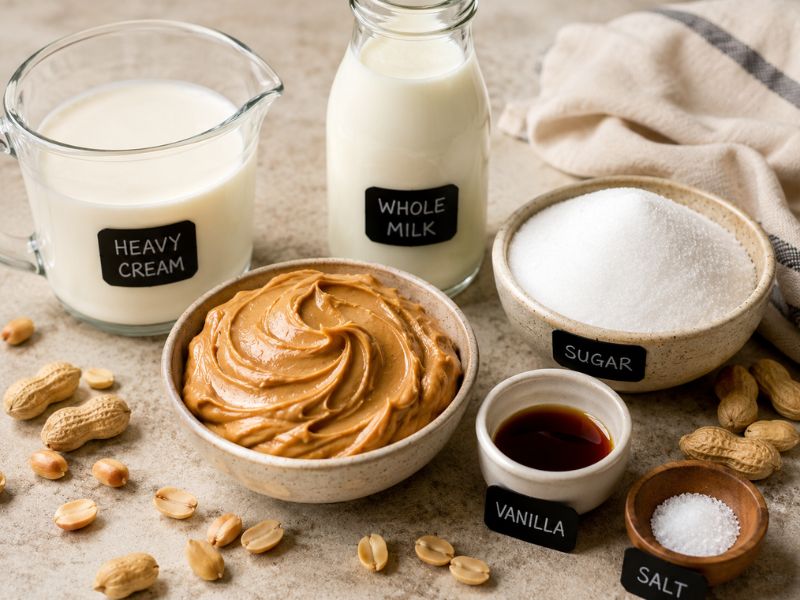
Peanut Butter
Use creamy peanut butter for the smoothest result. Conventional peanut butter is generally easy to blend into the base, while natural peanut butter can also work as long as its oil is thoroughly stirred back in.
Heavy Cream
Heavy cream provides richness and contributes to the smooth, creamy consistency of the ice cream.
Whole Milk
Whole milk balances the heavy cream and gives the mixture a lighter consistency without making it watery.
Granulated Sugar
Sugar adds the right amount of sweetness and also helps keep the ice cream soft enough to scoop. If you cut back on the sugar too much, the finished ice cream may turn out harder than expected.
Vanilla Extract
Vanilla does not compete with peanut butter. Instead, it adds a subtle background flavor that makes the finished ice cream taste more rounded.
Salt
A little salt helps bring out the rich, nutty flavor of the peanut butter. If your peanut butter is already quite salty, you may need very little additional salt.
Optional Mix-Ins
You can add chocolate chips, chopped roasted peanuts, cookie pieces, or a peanut butter or chocolate swirl. These are optional and can be adjusted according to your preference.
Recipe at a Glance
- Prep time: 15 minutes
- Chilling time: 2–4 hours
- Churning time: About 20–30 minutes, or until the mixture reaches a soft-serve consistency
- Freezing time: 3–4 hours or until firm
- Servings: About 6–8
- Method: Churned or no-churn
- Difficulty: Easy
How to Make Peanut Butter Ice Cream
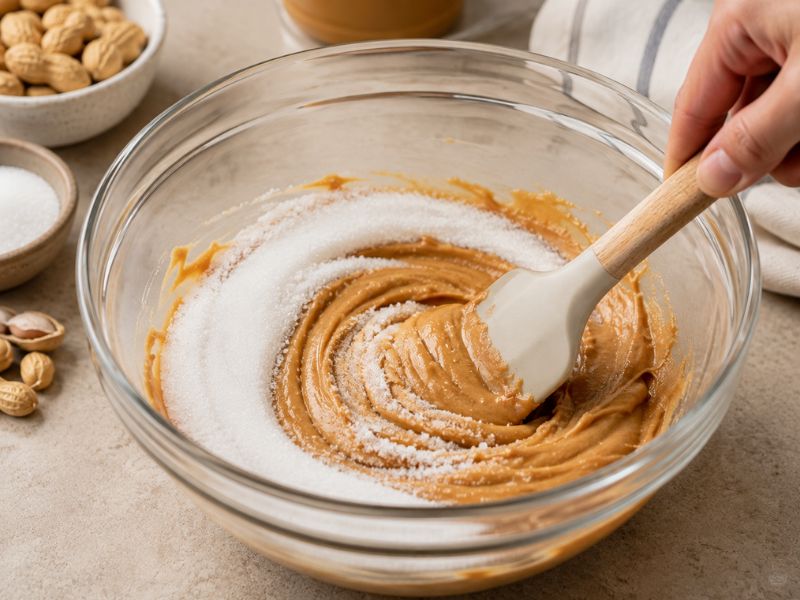
1. Combine the Peanut Butter and Sugar
Add the peanut butter and sugar to a medium mixing bowl. Stir them together until the mixture begins to look smooth.
This first step makes it easier to distribute the peanut butter evenly when the milk is added.
2. Add the Milk Gradually
Pour the whole milk into the peanut butter mixture a little at a time, whisking continuously.
Adding the milk gradually helps loosen the peanut butter without leaving thick pockets in the mixture. Continue whisking until the base looks mostly smooth.
3. Add the Cream and Flavorings
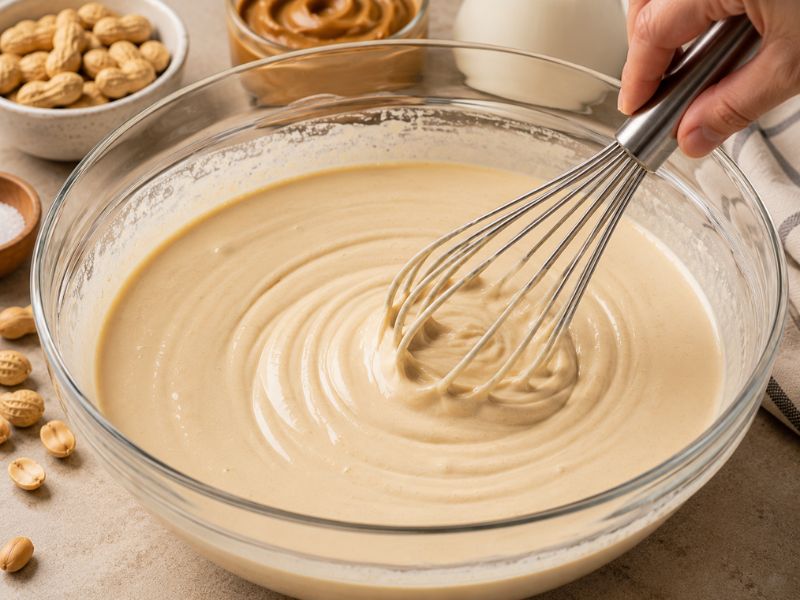
Pour in the heavy cream and add the vanilla extract.If you’re using unsalted peanut butter, add just a pinch of salt.
Stir until everything is well combined and the mixture looks smooth.The finished mixture should look smooth and creamy rather than oily or separated.
4. Chill the Base
Cover the bowl and place it in the refrigerator for at least 2 hours, or until thoroughly chilled.
Do not rush this step. Starting with a cold base makes the churning process more efficient and can help the finished ice cream develop a better texture.
For the best results, this peanut butter ice cream recipe should be thoroughly chilled before churning.
5. Churn the Mixture
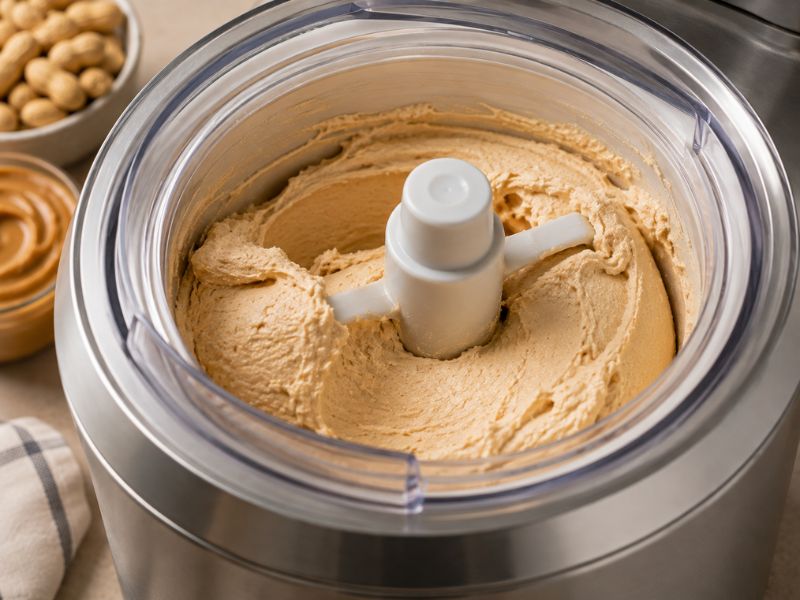
Pour the chilled mixture into your ice cream maker and let it churn until thick and creamy.
As the mixture freezes, it should gradually become thicker and take on a soft-serve consistency.
6. Add Your Mix-Ins
If you are using chocolate chips, cookie pieces, or chopped peanuts, add them toward the end of churning.
This allows the thickening ice cream to hold the additions in place instead of allowing them to settle toward the bottom.
7. Freeze Until Firm
Spoon the churned ice cream into a freezer-safe container. Smooth the top, cover it tightly, and freeze for several hours.
It will continue to firm up in the freezer until it reaches a scoopable consistency. Let it rest at room temperature for a few minutes before serving if it is difficult to scoop.
Once you have mastered this recipe, you can switch things up with a fruit-forward dessert like this Peach Ice Cream Recipe.
How to Choose the Right Peanut Butter
The peanut butter you use can make a noticeable difference in both flavor and texture.
Creamy vs. Crunchy Peanut Butter
Creamy peanut butter is the best choice when you want a smooth peanut butter ice cream. Crunchy peanut butter can be used if you enjoy small pieces of peanuts throughout the dessert.
If you use crunchy peanut butter, keep in mind that the texture will be less uniform.
Regular vs. Natural Peanut Butter
Regular peanut butter is generally more predictable because its consistency is designed to remain relatively stable.
Natural peanut butter can still produce excellent results, but the oil needs to be mixed thoroughly before measuring. If the oil remains separated, it can make the ice cream base more difficult to combine evenly.
Salted vs. Unsalted
Check the label before adding extra salt. A heavily salted peanut butter may not need additional salt at all.
The goal is a balanced flavor rather than an obviously salty dessert.
Understanding the Ice Cream Base
A creamy peanut butter ice cream depends on more than peanut butter alone. The balance of these ingredients is what gives this peanut butter ice cream recipe its rich flavor and creamy consistency without making the dessert feel overly heavy.
Why Heavy Cream Matters
Heavy cream contributes fat and richness to the mixture. This helps create the luxurious mouthfeel expected from a creamy frozen dessert.
Why Whole Milk Is Included
Using only heavy cream could make the dessert unnecessarily rich. Whole milk helps balance the base while maintaining enough richness for a satisfying texture.
Why Sugar Affects More Than Flavor
Sugar does not simply make ice cream sweet. It also influences how the water in the mixture freezes. Cutting the sugar too aggressively can result in a harder finished product.
How to Tell if the Texture Is Right
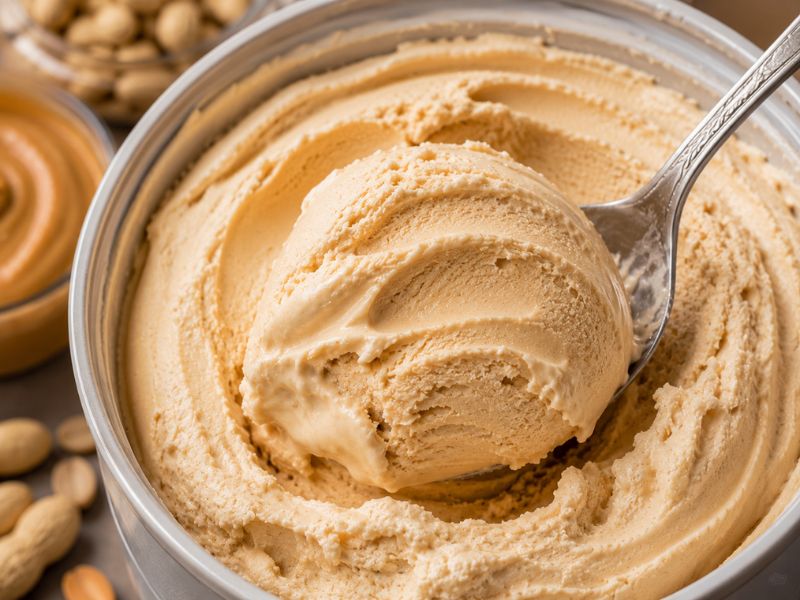
Texture is one of the easiest ways to judge whether the recipe is progressing properly. When making this peanut butter ice cream recipe, pay attention to the texture at each stage rather than relying only on the clock.
Before Churning
The base should be smooth and evenly mixed. You should not see obvious pools of oil or large pieces of unmixed peanut butter.
During Churning
The mixture should gradually thicken. Near the end, it should resemble soft serve rather than liquid cream.
After Freezing
Once fully frozen, the ice cream should be firm but become easier to scoop after sitting out briefly. A few minutes of resting is usually enough.
How to Balance the Peanut Butter Flavor
The goal of this peanut butter ice cream recipe is to let the peanut butter flavor stand out without making the dessert overly sweet.
Keep the Sweetness Moderate
Too much sugar can hide the roasted character of the peanut butter. A moderate level of sweetness allows the main flavor to remain noticeable.
Use Vanilla for Depth
Vanilla adds a subtle sweetness and aroma without changing the main identity of the dessert.
Use Salt Carefully
A tiny amount of salt can make the peanut butter taste fuller. However, the amount should depend on the peanut butter you use.
Flavor Combinations Worth Trying
Once you have the basic recipe, there are several easy ways to change it without completely redesigning the dessert.
Chocolate and Peanut Butter
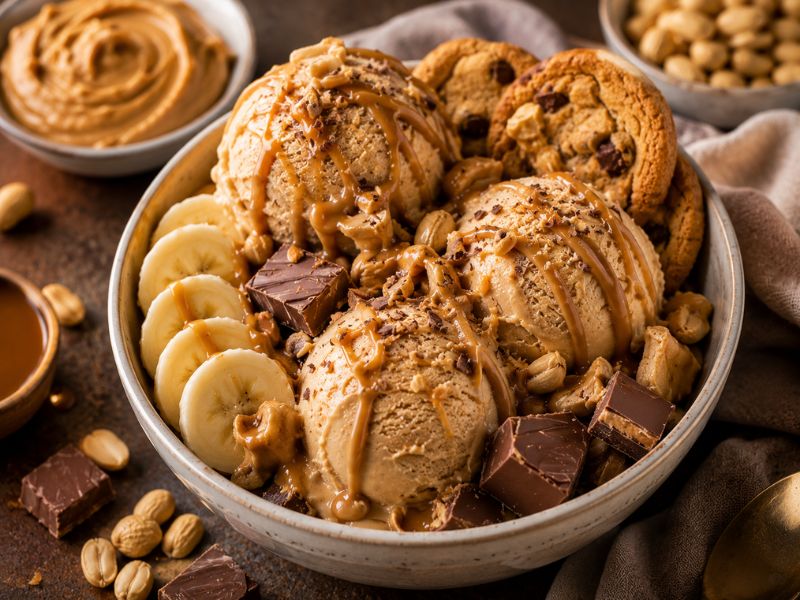
Chocolate chips or a thin chocolate sauce swirl create a familiar combination. Dark chocolate can provide a stronger contrast, while milk chocolate gives a sweeter result.
For another chocolate-focused frozen dessert, try this Chocolate Ice Cream Recipe.
Peanut Butter and Banana
Banana works well with the roasted flavor of peanut butter. Serve sliced banana alongside the finished ice cream or pair the two in a simple dessert bowl.
Cookies and Peanut Butter
Chocolate cookies, vanilla cookies, or peanut butter cookies can add a pleasant crunch. Break them into small pieces rather than turning them into fine crumbs.
Caramel and Peanut Butter
A light caramel swirl adds sweetness and a buttery flavor. Use it sparingly so the caramel does not overpower the peanut butter.
When Should You Add Mix-Ins?
Timing matters more than you might expect.
Chocolate Chips and Peanuts
Add these near the end of churning, when the ice cream has thickened enough to distribute them evenly.
Cookie Pieces
Cookie pieces should also be added toward the end. Very fine crumbs can disappear into the base, while medium-sized pieces remain noticeable after freezing.
Peanut Butter Swirls
For a visible swirl, layer the finished ice cream with small spoonfuls of softened peanut butter in the storage container. Gently drag a knife through the layers once or twice.
Do not completely stir the peanut butter into the ice cream, or the swirl will disappear.
Can You Make Peanut Butter Ice Cream Without an Ice Cream Maker?
Yes. This peanut butter ice cream recipe can also be made without an ice cream maker if you prefer a simpler preparation method.
What Changes With No-Churn Ice Cream?
Traditional churning continuously moves the mixture while it freezes, helping incorporate air and limit the formation of large ice crystals.
A no-churn method uses another technique to incorporate air before freezing. The result can still be creamy, but it may have a somewhat different texture from machine-churned ice cream.
How to Get a Better No-Churn Result
Make sure the peanut butter is completely incorporated into the base before freezing. Use a freezer-safe container with a tight-fitting lid and avoid repeatedly thawing and refreezing the mixture.
A shallow container can also make the freezing process more even and make the finished dessert easier to scoop.
Common Problems and What to Do
Even with an easy peanut butter ice cream recipe, small differences in ingredients or freezing time can affect the final texture. These quick fixes can help you figure out what went wrong.
The Ice Cream Is Too Hard
Homemade ice cream can become quite firm after several hours in the freezer. Let it stand at room temperature for a few minutes before scooping.
If it consistently freezes much harder than expected, review the balance of sugar and liquid in the recipe.
The Ice Cream Feels Icy
An icy texture can develop when the mixture freezes too slowly or is exposed to air in the freezer.
Start with a well-chilled base and store the finished ice cream in a tightly sealed container.
Peanut Butter Is Not Blending Properly
This can happen when natural peanut butter has separated or when thick peanut butter is added too quickly.
Stir the peanut butter thoroughly and gradually whisk in the milk to loosen it.
Mix-Ins Collect at the Bottom
The mixture may not have been thick enough when the additions were added. Wait until the final stage of churning before adding heavier ingredients.
Creative Ways to Serve Peanut Butter Ice Cream
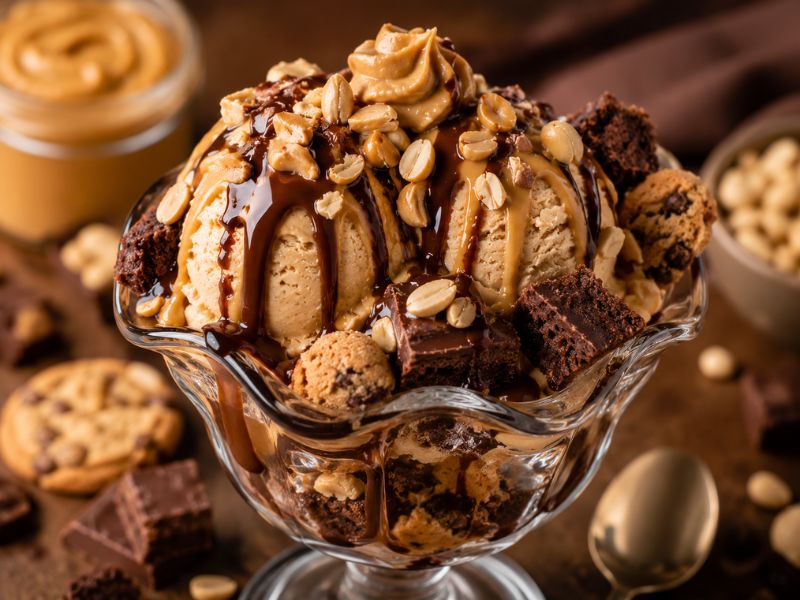
You do not have to serve this frozen dessert in a traditional bowl. This peanut butter ice cream recipe is rich enough to serve on its own, but a few simple toppings can turn it into a more complete dessert.
With Warm Brownies
A cold scoop over a warm brownie creates a simple contrast of temperatures and textures.
As an Ice Cream Sandwich
Place a scoop between two sturdy cookies and gently press them together. Freeze the sandwich briefly if you want a firmer dessert.
With Banana and Chocolate
Add sliced banana, a little chocolate sauce, and chopped peanuts for a simple sundae.
As a Cookie Sundae
Place cookies in a bowl, add a scoop of ice cream, and finish with a small amount of chocolate or caramel sauce.
If you enjoy experimenting with homemade frozen desserts, this Cottage Cheese Ice Cream Recipe is another creamy option worth trying.
How to Store Homemade Peanut Butter Ice Cream
Transfer the finished ice cream to an airtight freezer-safe container. Smooth the surface before covering it to minimize unnecessary air exposure.
Proper storage helps this peanut butter ice cream recipe maintain a better texture while it is kept in the freezer.
Keep the container toward the back of the freezer rather than near the door, where temperatures can fluctuate more frequently.
Try to take out only the amount you plan to serve. Repeated thawing and refreezing can gradually affect the texture and encourage ice crystals to form.
For the best eating quality, homemade ice cream is generally most enjoyable while it is relatively fresh.
Frequently Asked Questions
Can I use natural peanut butter in this peanut butter ice cream recipe?
Yes. Natural peanut butter works well as long as you stir the separated oil back in thoroughly before measuring it.
Can I use crunchy peanut butter?
Yes. Crunchy peanut butter will add small peanut pieces throughout the dessert, while creamy peanut butter produces a smoother texture.
Why is my homemade peanut butter ice cream hard?
Homemade ice cream can freeze more firmly than commercial ice cream. Let it sit at room temperature for a few minutes before scooping to make serving easier.
What goes well with peanut butter ice cream?
Chocolate, banana, cookies, roasted peanuts, and caramel all pair naturally with peanut butter and can be used as toppings or mix-ins.
How long should I chill the ice cream base?
Chill the base until it is thoroughly cold, usually around 2–4 hours. A colder base is generally easier to churn and freeze properly.
Conclusion
This peanut butter ice cream recipe gives you a creamy homemade dessert with a rich peanut butter flavor and plenty of room for customization. From choosing the right peanut butter to adding chocolate, cookies, banana, or roasted peanuts, small changes can create a completely different dessert while keeping the rich peanut butter flavor at the center. Once you have made this peanut butter ice cream recipe once, it is easy to adjust the mix-ins and toppings to suit your taste.

I am an SEO Specialist with 2 years of experience in keyword research, on-page SEO, content optimization, and WordPress SEO. At Desserts Avenue, I focus on creating SEO-friendly content, improving search visibility, and helping readers find valuable dessert recipes and guides through organic search.