

Seasonal flavor ideas can make a familiar dessert feel completely different throughout the year. A bright strawberry and lemon combination feels naturally suited to spring, while apple, caramel, and cinnamon bring a deeper character to fall. The ingredients may change, but the idea is simple: match the flavor profile with the season.
For ice cream, this approach is especially useful. Fresh fruit, warm spices, creamy vanilla, chocolate, nuts, and citrus can each play a different role depending on the weather, available ingredients, and the kind of dessert people are craving. The best seasonal ice cream flavors are not necessarily limited to one month or holiday. They can simply reflect the mood and ingredients of the time of year.
What Are Seasonal Flavor Ideas?
Seasonal flavor ideas are combinations that naturally complement a particular time of year. Some are connected to ingredients that are especially appealing or readily available during a season, while others reflect familiar traditions, weather, or seasonal cravings.
Spring often calls for lighter, fruit-forward flavors, while summer is a natural match for juicy fruits and refreshing citrus. Fall tends to bring richer combinations featuring apples, caramel, maple, and warm spices. Winter opens the door to chocolate, peppermint, gingerbread, nuts, and other comforting flavors.
That does not mean a flavor has to disappear when its season ends. Vanilla, chocolate, strawberry, and caramel can work throughout the year. What changes is how they are combined and presented.
Best Seasonal Flavor Ideas by Season
The easiest way to explore seasonal dessert flavors is to look at the four seasons individually. Each one has its own balance of fresh, fruity, rich, warm, or refreshing flavors.
Spring Flavor Ideas
Spring is a good time for bright and refreshing flavor combinations. After the heavier flavors associated with winter, fruit and citrus can give desserts a lighter character.
Strawberry and lemon are a natural pairing because the sweetness of strawberry is balanced by lemon’s tart acidity. Raspberry can provide a similar contrast, while blueberry brings a softer fruitiness that works well with vanilla or lemon.
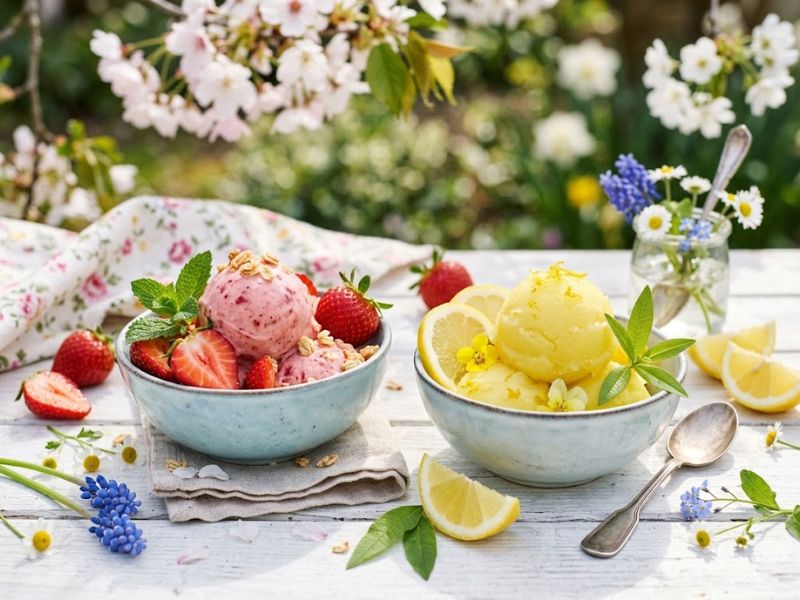
Good spring flavor directions include:
- Strawberry
- Raspberry
- Lemon
- Blueberry
- Strawberry and lemon
- Raspberry and vanilla
- Lemon and blueberry
- Light floral or herb-inspired combinations
These flavors work particularly well when the goal is a dessert that feels fresh rather than heavy. Creamy ice cream can also provide a useful base because its richness softens sharper fruit and citrus flavors.
[Rainbow Sherbet] can also be a useful example when discussing bright, fruit-forward frozen desserts and refreshing flavor profiles.
Summer Flavor Ideas
Summer is where refreshing flavors really stand out. Warm weather naturally makes juicy fruit, citrus, and tropical ingredients appealing, particularly in cold desserts.
Mango, peach, watermelon, coconut, berries, and citrus all offer different ways to create a bright summer profile. Mango and coconut bring tropical richness, while lemon or lime can add acidity that keeps a sweet dessert from feeling too heavy.
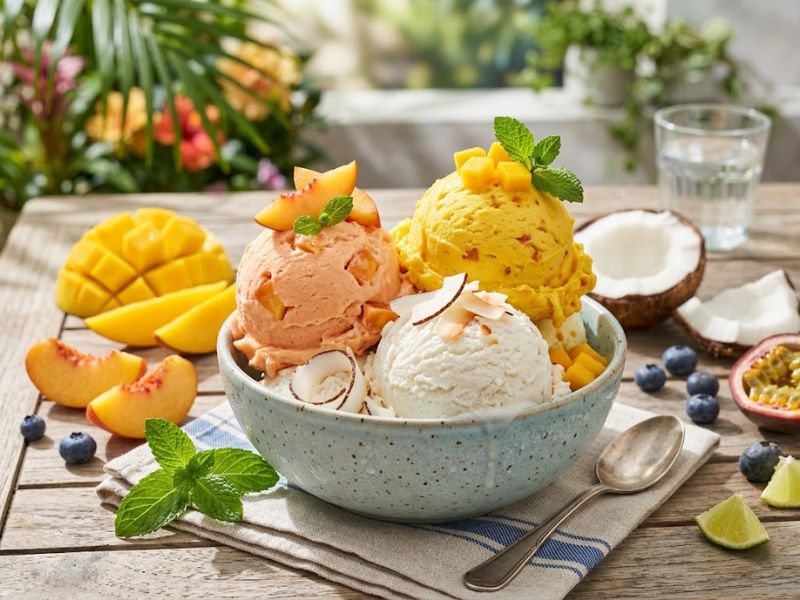
Popular summer ice cream flavor ideas include:
- Mango
- Peach
- Coconut
- Watermelon
- Strawberry
- Raspberry
- Blueberry
- Lemon
- Lime
- Mango and coconut
Fruit-forward flavors are especially useful during summer because they can combine sweetness with acidity and freshness. Peach with vanilla, for example, creates a softer and creamier profile, while mango with coconut gives a distinctly tropical direction.
The key is balance. A summer dessert does not necessarily need to be extremely tart or intensely fruity. A creamy base paired with one fresh, recognizable flavor can be just as effective.
Fall Flavor Ideas
Fall brings a noticeable shift toward deeper and warmer flavors. Apples, pumpkin, maple, caramel, cinnamon, and pecans are closely associated with the season because they create a comforting flavor profile.
Apple and caramel work particularly well together because crisp fruit character contrasts with the deeper sweetness of caramel. Cinnamon adds warmth without needing to dominate the dessert, while maple contributes a rich, woodsy sweetness.
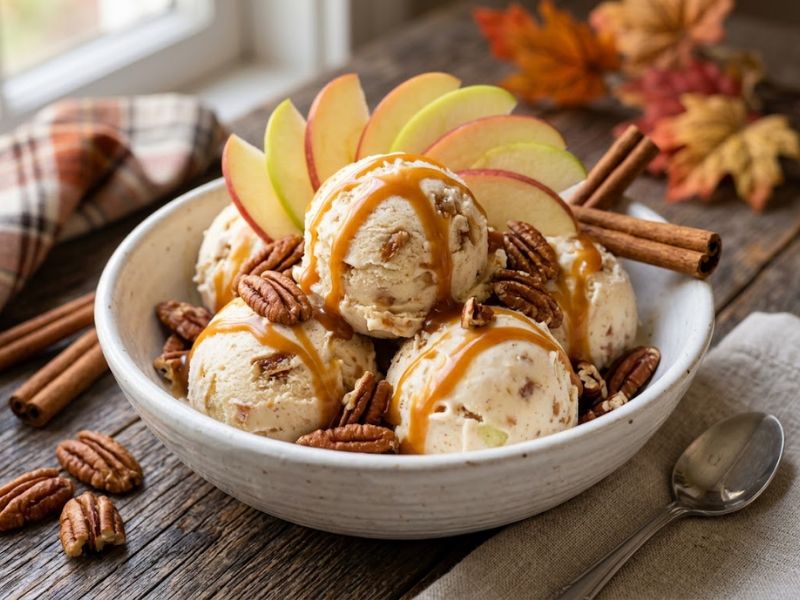
Strong fall flavor directions include:
- Apple
- Pumpkin
- Caramel
- Maple
- Cinnamon
- Pecan
- Apple and caramel
- Maple and pecan
- Pumpkin and cinnamon
- Apple, cinnamon, and caramel
These combinations are especially useful for ice cream because a cold dessert can still carry warm seasonal flavors. A cinnamon or caramel ice cream, for example, does not need to taste physically warm to create the comforting character associated with fall.
Winter Flavor Ideas
Winter flavors tend to become richer, more indulgent, and more aromatic. Chocolate, peppermint, gingerbread, cinnamon, caramel, vanilla, and nuts can all create a cozy dessert profile.
Peppermint and chocolate provide a classic contrast between cool mint and rich cocoa. Gingerbread-inspired flavors introduce warming spices, while vanilla can soften stronger ingredients and create a smoother overall profile.
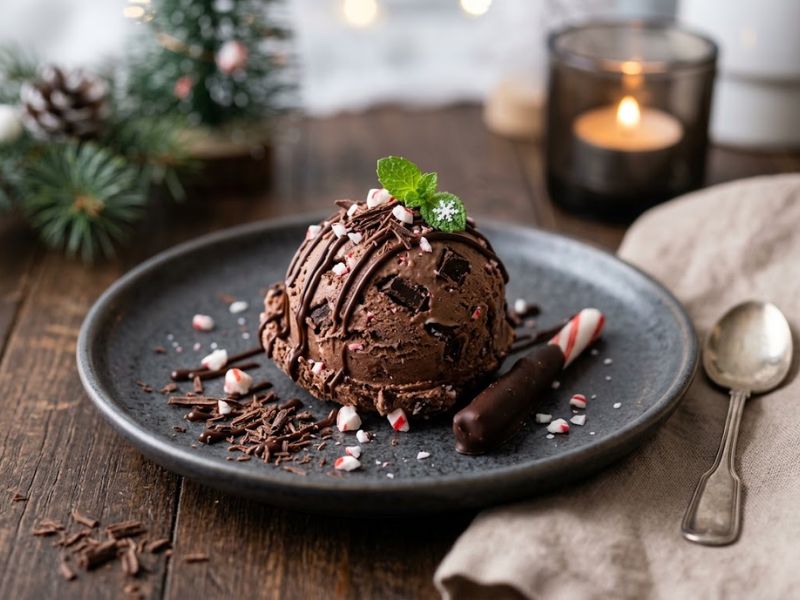
Popular winter flavor directions include:
- Chocolate
- Peppermint
- Gingerbread
- Cinnamon
- Vanilla
- Caramel
- Hazelnut
- Pistachio
- Chocolate and peppermint
- Gingerbread and vanilla
Winter flavors can certainly be festive, but they do not have to revolve around Christmas. Chocolate, caramel, cinnamon, and nutty flavors can work throughout the colder months without being tied to a specific holiday.
Seasonal Flavor Comparison
| Season | Flavor Direction | Example Flavors | Why They Fit |
| Spring | Fresh and bright | Strawberry, lemon, raspberry | Fruit and citrus create a lighter profile |
| Summer | Juicy and refreshing | Mango, peach, coconut, watermelon | Tropical fruits and citrus suit warm weather |
| Fall | Rich and warming | Apple, caramel, maple, cinnamon | Deeper flavors create a comforting profile |
| Winter | Cozy and indulgent | Chocolate, peppermint, gingerbread | Rich and aromatic flavors suit colder weather |
How Seasonal Ingredients Influence Flavor Choices
Ingredients play a major role in determining how a seasonal dessert feels. Some ingredients naturally suggest freshness, while others create warmth and richness.
Fresh fruit is particularly useful in spring and summer. Strawberries, raspberries, peaches, mangoes, and berries can provide sweetness and acidity without relying on heavy flavoring.
Citrus can work across multiple seasons but is especially useful when a dessert needs brightness. Lemon, lime, and orange can cut through rich dairy-based flavors and add a clean finish.
Stone fruits such as peaches can create a distinctly summery direction, while apples are often associated with fall. The difference is not simply the fruit itself; the supporting flavors also matter.
Warm spices such as cinnamon and ginger tend to create a deeper profile. They pair naturally with apple, pumpkin, caramel, maple, and nuts.
Nuts add richness and texture. Pecans fit naturally into fall combinations, while pistachio and almond can work throughout the year.
Chocolate is one of the most versatile ingredients because it can shift from light to indulgent depending on its pairing. Explore different [ice cream flavors] Chocolate with raspberry can feel fruit-forward, while chocolate with peppermint creates a stronger winter profile.
Herbs and floral notes can also introduce a more delicate character. Used carefully, they can complement fruit without overpowering it.
How to Create Better Seasonal Flavor Combinations
Creating good seasonal flavor combinations is less about collecting as many ingredients as possible and more about finding balance.
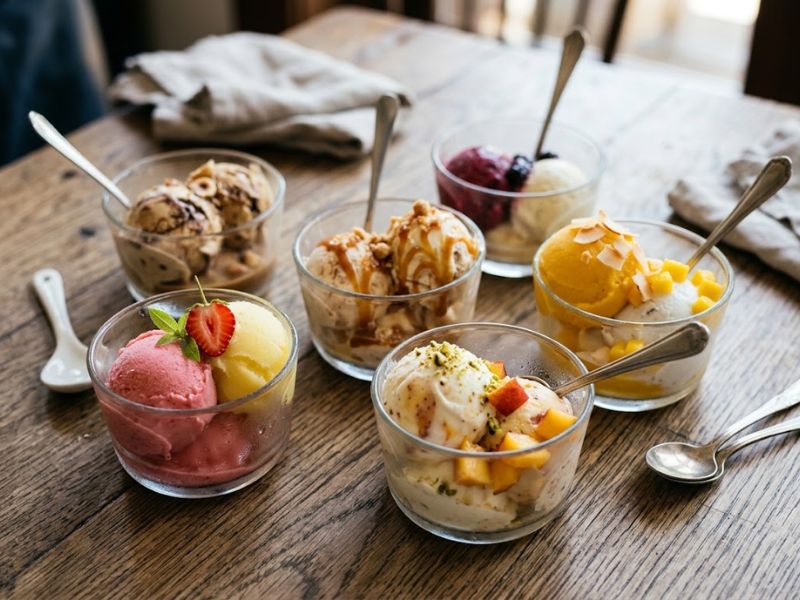
Keep these principles in mind:
- Balance sweetness with acidity. Tart berries and citrus can prevent sweet flavors from becoming one-dimensional.
- Pair rich flavors with contrast. Caramel, chocolate, and nuts often benefit from fruit, citrus, or a small amount of spice.
- Avoid too many strong flavors. Three well-matched ingredients can be more effective than six competing ones.
- Use texture as part of the experience. Nuts, fruit pieces, chocolate, or crisp elements can add contrast to creamy ice cream.
- Consider the temperature and season. Bright fruit flavors often feel refreshing in warm weather, while rich spice combinations tend to feel more comforting in colder months.
- Start with a familiar flavor and add one unexpected element. Peach with vanilla is familiar, while peach with a subtle herbal or citrus note can make the combination more distinctive.
Some combinations are particularly easy to understand:
Strawberry + lemon: Sweet berry flavor receives a bright, tart lift from lemon.
Peach + vanilla: Soft fruit and creamy vanilla create a gentle summer combination.
Apple + caramel: Tart or mildly sweet apple balances the deeper sweetness of caramel.
Chocolate + peppermint: Rich chocolate contrasts with the cool, aromatic character of peppermint.
Mango + coconut: Tropical fruitiness and creamy coconut complement each other without requiring many additional flavors.
For more inspiration, [Types of Ice Cream] can help readers understand how different ice cream styles and flavor profiles can vary.
Seasonal Flavor Ideas That Work Beyond One Season
Not every flavor needs to belong to a single season. In fact, some of the most familiar ice cream flavors can become seasonal simply by changing their supporting ingredients.
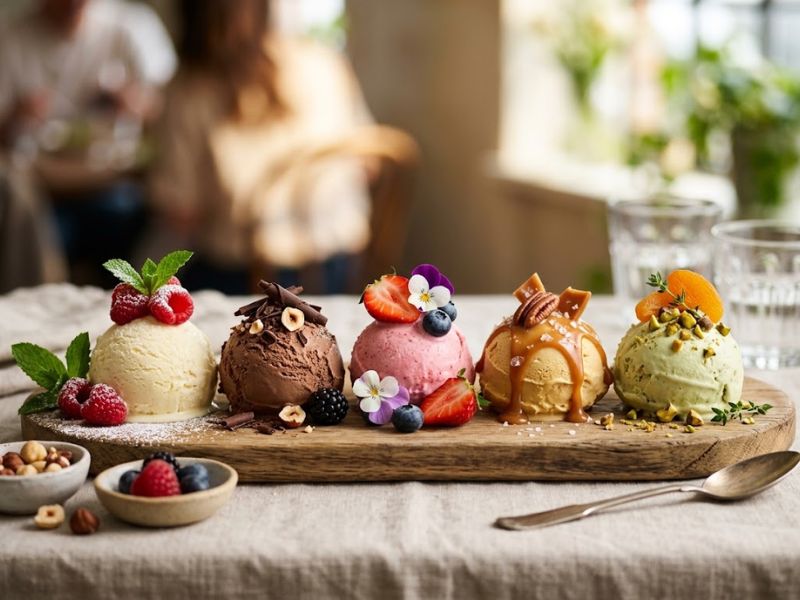
Vanilla can feel summery with fresh berries or peaches and more winter-oriented with cinnamon, caramel, or warm spices.
Chocolate can work with raspberry in spring, coconut in summer, caramel in fall, or peppermint in winter.
Strawberry is naturally associated with warmer months, but it can also work with chocolate or creamier flavors when the goal is a richer dessert.
Coffee can be enjoyed year-round and can shift from a lighter chilled dessert in summer to a richer chocolate or caramel combination in colder months.
Caramel works particularly well in fall but does not have to stay there. Pairing it with banana, chocolate, coffee, or sea salt can make it suitable throughout the year.
Pistachio is another versatile option. Its nutty flavor can stand alone or complement berries, chocolate, citrus, and other ingredients depending on the desired profile.
The supporting ingredients often determine whether a familiar flavor feels seasonal.
How to Choose a Seasonal Flavor
Choosing a seasonal flavor does not need to be complicated. Start with the overall experience you want rather than choosing ingredients randomly.
Consider these factors:
- Weather: Choose refreshing fruit and citrus flavors for warmer conditions or richer profiles when temperatures are cooler.
- Occasion: A casual summer gathering may suit fruit-forward flavors, while a winter celebration may call for chocolate, caramel, or spice.
- Fresh ingredients: Start with fruits and other ingredients that naturally fit the season.
- Personal taste: Seasonal traditions are useful guides, but individual preferences still matter.
- Flavor intensity: Decide whether you want something delicate and refreshing or rich and indulgent.
- Fruit vs. rich flavors: Fruit provides brightness, while chocolate, caramel, and nuts generally create greater richness.
- Familiar vs. adventurous: Classic combinations are easy to enjoy, while one unusual ingredient can make a familiar flavor more interesting.
You can also use a simple formula: choose one main flavor, one supporting flavor, and one contrasting element. For example, peach can be the main flavor, vanilla the supporting note, and a little citrus the contrast.
This approach keeps seasonal flavor combinations focused instead of overwhelming.
Frequently Asked Questions
What are the best seasonal ice cream flavors?
The best seasonal ice cream flavors depend on the time of year and personal preference. Spring often suits strawberry, raspberry, and lemon; summer works well with mango, peach, and coconut; fall favors apple, caramel, and cinnamon; and winter pairs naturally with chocolate, peppermint, and gingerbread.
What ice cream flavors are best for summer?
Summer-friendly flavors often include mango, peach, strawberry, raspberry, coconut, watermelon, lemon, and lime. These flavors can create a lighter, fruit-forward profile that feels refreshing in warm weather. Creamy flavors can also work well when balanced with fresh fruit or citrus.
What ice cream flavors are popular in fall?
Fall flavors commonly include apple, pumpkin, caramel, maple, cinnamon, and pecan. These ingredients create richer and warmer flavor combinations that fit the comforting character often associated with autumn desserts.
What flavors are best for winter desserts?
Chocolate, peppermint, gingerbread, cinnamon, caramel, vanilla, hazelnut, and pistachio are all useful winter flavor directions. Rich chocolate and nutty flavors can create an indulgent profile, while spices and peppermint add aromatic contrast.
Can the same ice cream flavor work in different seasons?
Yes. Many flavors are versatile enough to work year-round. Vanilla can pair with berries in warmer months and cinnamon or caramel in colder months. Chocolate can be combined with fruit, nuts, coffee, caramel, or peppermint to create different seasonal profiles.
Conclusion
Seasonal flavor ideas are less about strict rules and more about understanding how ingredients, weather, traditions, and cravings influence the way a dessert feels. Bright fruits and citrus naturally lend themselves to spring and summer, while apples, caramel, spices, chocolate, and nuts can create richer fall and winter combinations.
The most successful seasonal flavors also leave room for creativity. A familiar base can take on a completely different character with one carefully chosen seasonal ingredient. Whether you prefer fresh fruit or rich dessert flavors, choosing ingredients that complement the season can make every scoop feel more intentional.

I am an SEO Specialist with 2 years of experience in keyword research, on-page SEO, content optimization, and WordPress SEO. At Desserts Avenue, I focus on creating SEO-friendly content, improving search visibility, and helping readers find valuable dessert recipes and guides through organic search.