

Lime ice cream brings a bright citrus character to a dessert that is usually associated with rich, mellow flavors. The first taste is creamy and sweet, followed by the clean, tangy flavor of fresh lime. It is refreshing without being as sharp as a lime sorbet, which makes it a great choice when you want something cold and creamy with a little extra zing.
The key to a good batch is balance. Too much lime juice can make the ice cream aggressively tart, while too little can leave you with a bland frozen dessert. Fresh lime zest helps build a deeper citrus aroma without relying entirely on juice. A creamy base then rounds everything out. If you prefer a lighter, fruit-forward frozen dessert, our sherbet Ice Cream is another refreshing option to try.
This easy lime ice cream recipe uses a simple combination of cream, milk, sweetened condensed milk, fresh lime juice, and zest. The base requires no eggs, and it can be churned in an ice cream maker for a smooth, scoopable texture.
Why You’ll Love This Lime Ice Cream
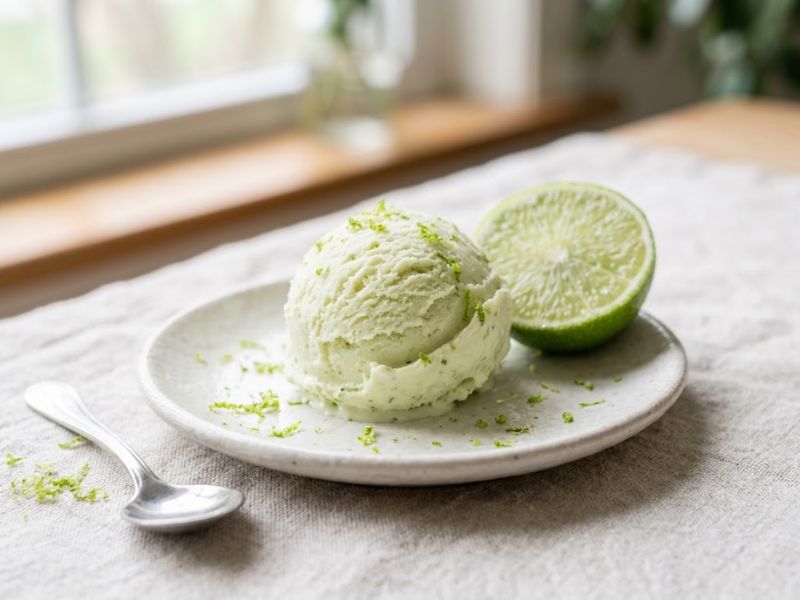
There is something especially appealing about the contrast between rich dairy and fresh citrus. The cream gives the dessert its smooth body, while lime cuts through that richness with a lively flavor.
This homemade lime ice cream is also straightforward to prepare. You do not need to make an egg custard or spend time cooking the base. Instead, the ingredients are combined, chilled, and churned.
Fresh lime is the star here, so the recipe is best when you use freshly squeezed juice and finely grated zest. The zest contributes fragrant citrus oils that make the flavor taste fuller rather than simply sour.
Another advantage is that the recipe is lime ice cream without eggs, making the preparation particularly simple. Once churned, the ice cream can be enjoyed soft or transferred to a freezer-safe container for a firmer texture.
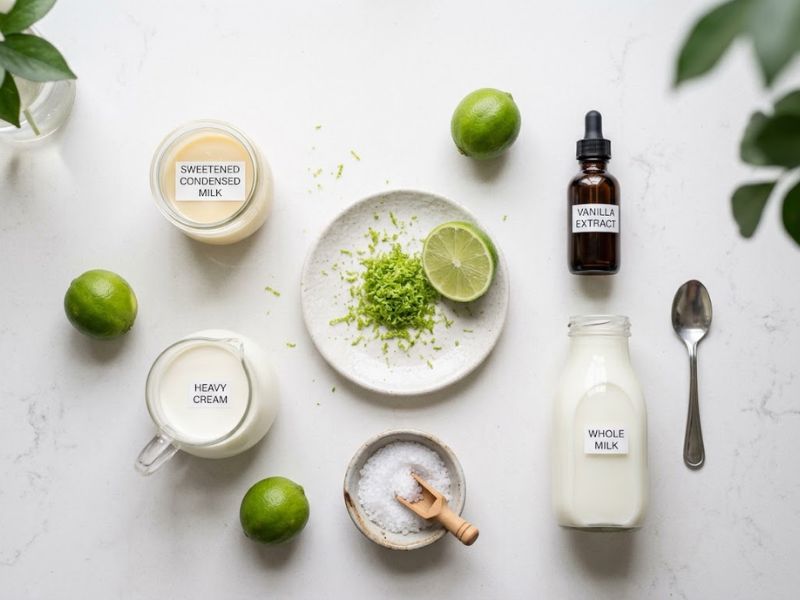
Ingredients You’ll Need
Fresh limes
Use fresh, firm limes with plenty of juice. You will need both juice and zest. Zest the limes before squeezing them because whole fruit is much easier to zest.
Heavy cream
Heavy cream provides richness and helps create the creamy texture you expect from homemade ice cream. Keep it cold until you are ready to prepare the base.
Whole milk
Milk balances the richness of the cream and helps keep the finished ice cream from feeling excessively heavy.
Sweetened condensed milk
Sweetened condensed milk contributes sweetness and body to the mixture. Because it is already sweetened, there is no need to add a large amount of additional sugar.
Vanilla extract
A small amount of vanilla rounds out the citrus flavor. It should support the lime rather than compete with it.
Salt
A small pinch of salt helps balance the sweetness and makes the citrus flavor stand out.
How to Make Lime Ice Cream
This recipe works best when the ice cream base is thoroughly chilled before churning. A cold base freezes more efficiently and gives your machine a better starting point.
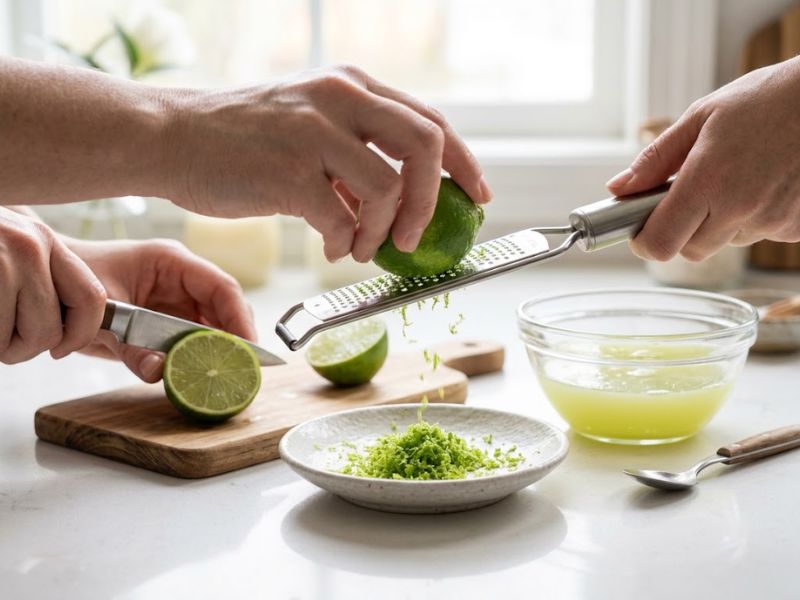
- Zest and juice the limes.
Finely grate the colored outer layer of the lime, avoiding the white pith underneath because it can taste bitter. Then squeeze enough fresh lime juice for the recipe.
- Combine the citrus and condensed milk.
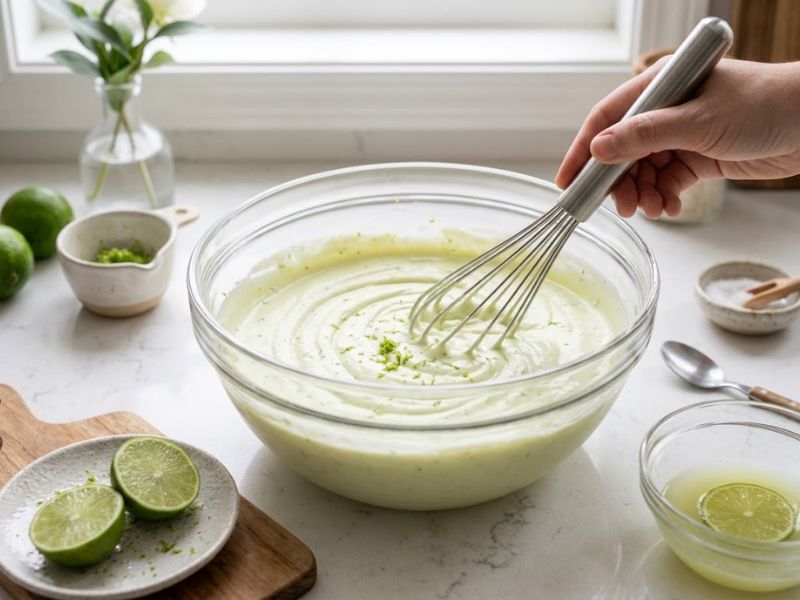
Add the sweetened condensed milk to a large mixing bowl. Whisk in the fresh lime juice until the mixture is smooth. The acidity of the lime juice will slightly change the consistency of the condensed milk, which is normal. - Add the dairy ingredients.
Pour in the cold heavy cream and whole milk. Add the lime zest, vanilla extract, and a small pinch of salt. Whisk gently until everything is evenly combined.
- Taste the base.
Before freezing, taste a small amount. It should have a noticeable lime flavor balanced by sweetness and creaminess. Remember that freezing dulls flavors slightly, so the chilled mixture should taste pleasantly bright rather than completely mild. - Chill the mixture.
Cover the bowl and refrigerate the base until thoroughly cold. If your ingredients were already cold, a shorter chilling period may be enough, but several hours or an overnight chill gives the mixture plenty of time to become properly cold. - Churn the ice cream.
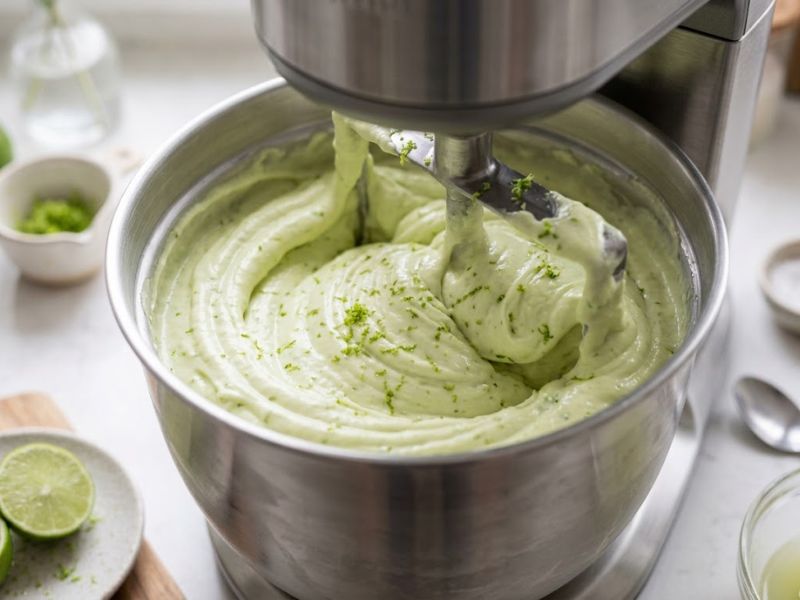
Pour the chilled base into your ice cream maker and churn according to the manufacturer’s instructions. The exact time varies between machines.
- Freeze until firm.
The finished mixture may have a soft-serve consistency immediately after churning. For a firmer scoop, transfer it to a freezer-safe airtight container and freeze until set.
This method produces a creamy homemade treat without an egg-based custard. Similar lime ice cream recipes commonly use fresh lime juice with cream and sweetened condensed milk, while some versions also include milk or additional sugar.
Tips for the Best Lime Ice Cream
Use fresh lime juice when possible. Freshly squeezed juice gives the dessert a cleaner citrus character. Bottled juice can work when fresh limes are unavailable, but it may not provide the same bright flavor.
Do not skip the zest. Juice supplies acidity and flavor, while zest adds a fragrant citrus aroma. Finely grate only the green outer layer and avoid the bitter white pith.
Balance the tartness. Lime intensity can vary from fruit to fruit. If your limes are particularly sharp, the finished mixture may need a little more sweetness to taste balanced. Do not simply keep adding juice to make the lime flavor stronger; zest can provide extra citrus character without adding as much acidity.
Start with a very cold base. A thoroughly chilled mixture gives the ice cream maker a better chance of producing a smooth texture.
Use a freezer-safe airtight container. Pressing a piece of parchment or freezer-safe wrap against the surface before sealing can help reduce direct exposure to air.
Let it soften before scooping. Homemade ice cream can become quite firm in the freezer. Allow it to sit at room temperature briefly before serving so it becomes easier to scoop.
Common Mistakes to Avoid
Making homemade lime ice cream is fairly simple, but a few small mistakes can affect the final texture and flavor.
Using too much lime juice can make the ice cream overly tart. Start with the recommended amount and adjust carefully if needed.
Skipping the lime zest can also leave the citrus flavor less noticeable. Zest adds a fragrant lime aroma without adding as much acidity as extra juice.
Not chilling the base properly can make churning less effective. Make sure the mixture is thoroughly cold before adding it to your ice cream maker.
Adding too much liquid can lead to a softer or icier texture. Keep the ingredient proportions balanced rather than adding extra juice simply to intensify the lime flavor.
Leaving the container uncovered can cause unwanted ice crystals to form on the surface. Store the finished ice cream in a tightly sealed freezer-safe container for better texture.
Easy Variations and Substitutions
No-Churn Lime Ice Cream
You can turn the basic idea into a no-churn lime ice cream by using whipped heavy cream as the source of incorporated air. Gently fold a lime-and-condensed-milk mixture into the whipped cream, then freeze it in a suitable covered container.
The texture will be somewhat different from machine-churned ice cream, but it is a convenient option when you do not own an ice cream maker.
Lime and Coconut
Add finely shredded coconut or a little coconut milk for a tropical variation. Lime and coconut complement each other particularly well because the creamy coconut flavor softens the citrus’s sharpness. Love the tropical side of citrus desserts? Our coconut Ice Cream is worth trying alongside this lime variation.
Lime and Vanilla
For a gentler flavor, increase the vanilla slightly while keeping the lime zest. This creates a softer citrus dessert with vanilla in the background.
Extra-Zesty Lime
If you love an intense citrus aroma, increase the amount of finely grated zest rather than dramatically increasing the lime juice. This keeps the flavor lively without making the ice cream excessively tart.
Dairy-Free Version
A dairy-free variation can be made by replacing the dairy ingredients with suitable plant-based alternatives, although the final texture and sweetness will depend heavily on the products you choose. Test the base before freezing so you can adjust the flavor while it is still easy to change.
How to Store Homemade Lime Ice Cream
Store the finished ice cream in a clean, airtight freezer-safe container. Keep the container tightly covered whenever the ice cream is not being served.
Try to minimize the amount of empty space in the container because excessive exposure to air can contribute to freezer burn and unwanted surface ice. A shallow container can also make the ice cream easier to portion.
For the best texture, keep the ice cream consistently frozen rather than allowing it to repeatedly melt and refreeze. When you are ready to serve it, let the container stand at room temperature briefly until the ice cream becomes scoopable.
Homemade ice cream is generally at its best when enjoyed while it still has a fresh texture and flavor, so avoid keeping a batch around indefinitely.
Serving Ideas
A simple scoop of lime ice cream is enough, but a few toppings can turn it into a more interesting lime dessert.
Try serving it with:
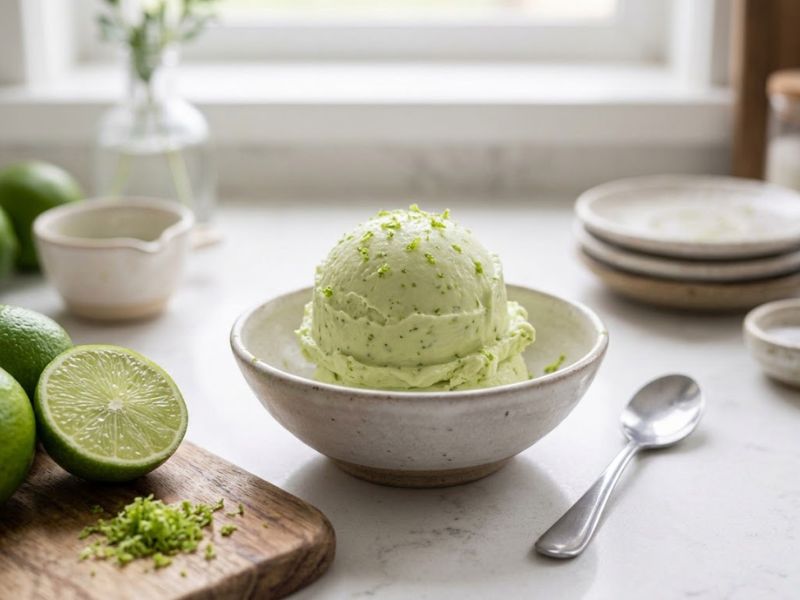
- Finely grated fresh lime zest
- A thin lime wedge
- Toasted coconut
- Crushed cookies
- Fresh berries
- A crisp waffle cone
- A small amount of whipped cream
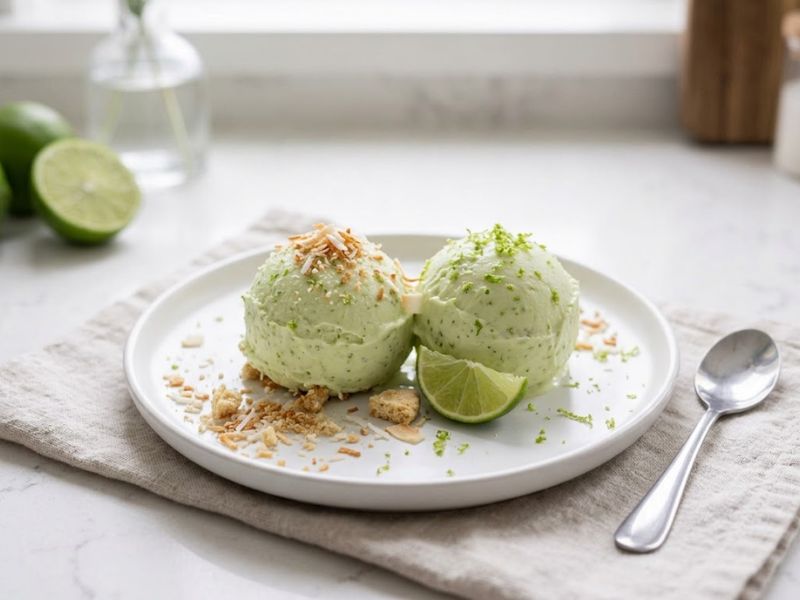
For a fun citrus dessert, serve the ice cream in chilled dessert cups and finish each portion with a little lime zest. If you enjoy the flavors of lime pie, crushed graham crackers can also add a pleasant crunchy contrast. For more ways to turn fresh fruit into a frozen treat, take a look at our Fruit Ice Cream recipe.
Frequently Asked Questions
Can I make lime ice cream without an ice cream maker?
Yes. A no-churn method using whipped heavy cream and sweetened condensed milk can work well. The finished texture will differ somewhat from machine-churned ice cream, but it is an easy option for home cooks.
Can I use bottled lime juice?
You can, but fresh lime juice is preferable when available. Fresh juice generally gives the dessert a brighter citrus character. Fresh zest is also valuable because it adds aromatic lime flavor.
How can I make lime ice cream creamier?
Start with a properly balanced dairy base, chill it thoroughly before churning, and avoid adding excessive liquid. Following your ice cream maker’s instructions also helps the mixture freeze efficiently.
Can I use lemon instead of lime?
Yes, but the flavor will change. Lemon produces a more familiar lemon-cream profile, while lime has a distinct sharper, greener citrus character. If substituting lemon, adjust the amount gradually and taste the base before freezing.
Why does homemade ice cream become icy?
Large ice crystals can develop when the mixture freezes slowly or when the finished ice cream is exposed to temperature changes. Starting with a cold base, churning properly, and storing the finished ice cream in a well-sealed container can help maintain a smoother texture.
How should lime ice cream be stored?
Keep it in an airtight, freezer-safe container. Minimize air exposure and avoid repeatedly allowing the ice cream to melt and refreeze.
How long should lime ice cream freeze before serving?
After churning, it can often be served as a soft-serve-style dessert. For a firmer, scoopable texture, transfer it to a freezer-safe container and allow it to freeze until firm. The exact time depends on the container, freezer, and quantity.
Conclusion
Lime ice cream is a refreshing homemade dessert that brings together creamy richness and bright citrus flavor. Fresh lime juice and zest give it a naturally tangy taste without making it too sharp.
It is simple to prepare and easy to enjoy on a warm day. Serve it with a little lime zest, toasted coconut, or your favorite cookie for a delicious finishing touch.