
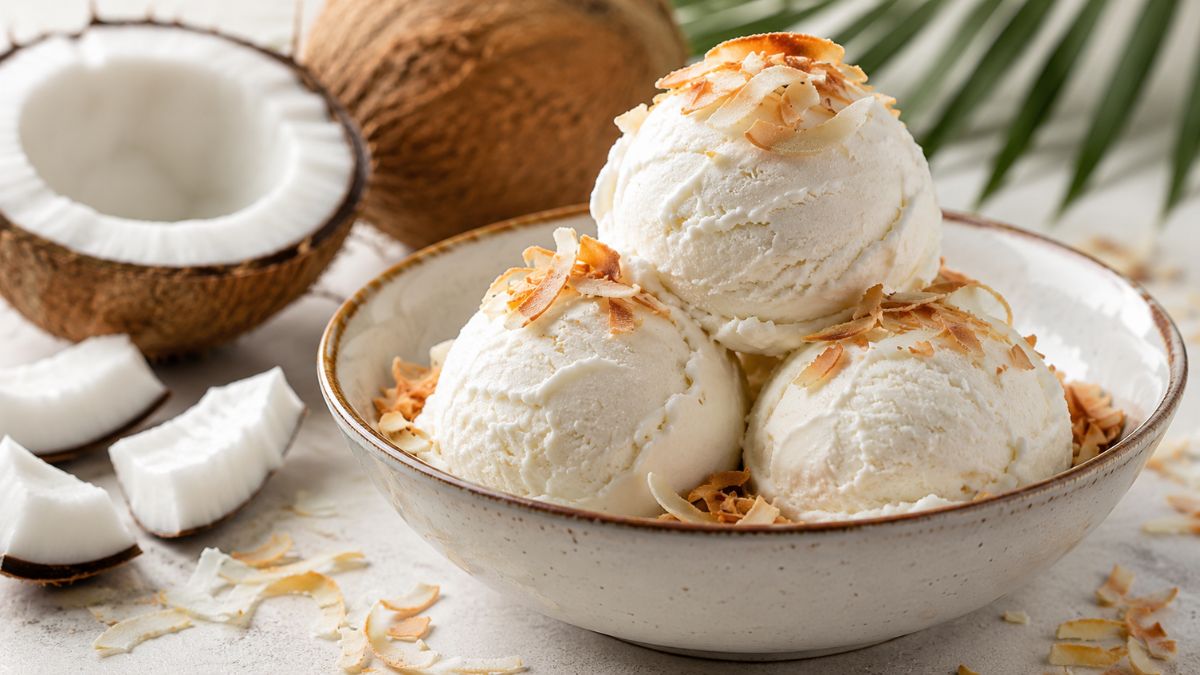
There’s nothing quite like a scoop of coconut ice cream on a warm day. It’s creamy, lightly sweet, and full of natural coconut flavor, making it a refreshing dessert that feels special without being complicated.
Made with full-fat coconut milk, coconut cream, vanilla, and a few pantry staples, this homemade coconut ice cream is easy to prepare at home. You can make it with an ice cream maker for a smooth texture or use the no-churn method when you don’t have one. With a few simple tips and the right ingredients, you can enjoy a rich, tropical dessert straight from your own freezer.
Why You’ll Love This Recipe
This coconut ice cream recipe is a great choice when you want a homemade dessert without a long or complicated process.
- Creamy and rich: Full-fat coconut milk and coconut cream create a smooth base.
- Easy ingredients: Most of the ingredients are simple pantry or grocery-store staples.
- Naturally tropical: The coconut flavor is noticeable without being overpowering.
- Easy to customize: You can add chocolate, mango, pineapple, toasted coconut, or lime.
- Dairy-free: When all ingredients are checked for dairy, this recipe can fit a dairy-free dessert menu.
- Two preparation options: You can use an ice cream maker or make a simple no-churn version.
Recipe at a Glance
Prep Time: 15 minutes
Chilling Time: 4 hours or until completely cold
Churning Time: About 20–30 minutes, depending on the machine
Freezing Time: 3–4 hours for a firmer texture
Servings: About 6–8 servings
Method: Ice cream maker or no-churn
The chilling and freezing times can vary depending on your refrigerator, freezer, and ice cream maker, so use the texture of the mixture as your main guide.
Ingredients You’ll Need
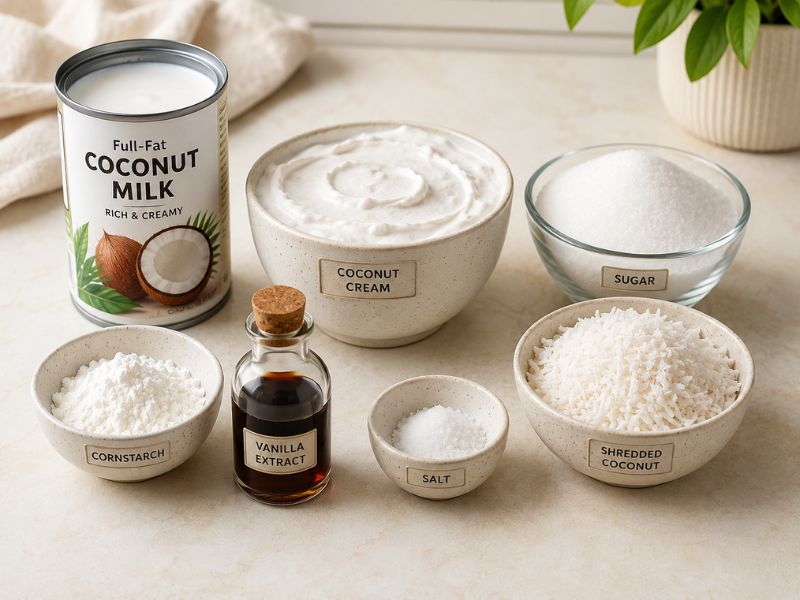
You only need a few ingredients to make this creamy coconut ice cream.
Choosing the right ingredients is the key to making smooth, flavorful coconut ice cream at home. Full-fat coconut milk and coconut cream give the base its rich texture, while a little vanilla brings the flavors together.
- 2 cans full-fat coconut milk (13.5 ounces each): Full-fat coconut milk provides the richness needed for a smooth frozen texture. Shake the cans well before opening.
- 1 can coconut cream (13.5 ounces): Coconut cream adds extra body and gives the dessert a deeper coconut flavor.
- ¾ cup granulated sugar: Sweetens the mixture and helps keep the ice cream from becoming overly hard.
- 2 tablespoons cornstarch: Helps lightly thicken the base and contributes to a smoother texture.
- 1 teaspoon vanilla extract: Adds warmth and balances the coconut flavor.
- ¼ teaspoon fine salt: A small amount helps bring the sweetness and coconut flavor into better balance.
- ½ cup unsweetened shredded coconut, optional: Add this if you enjoy a little texture in your ice cream.
Choosing the Right Coconut Milk
For the best result, use full-fat coconut milk rather than light coconut milk. Light versions contain more water and can produce a less creamy frozen dessert.
Also, check the cans before buying them. Coconut milk and coconut cream are not always interchangeable because their consistency can vary between brands.
Equipment You’ll Need
You don’t need much equipment for this recipe. Have these items ready:
- Medium saucepan
- Whisk
- Measuring cups and spoons
- Heatproof bowl or container
- Ice cream maker, if using
- Freezer-safe container
- Spatula
If you are making the no-churn version, you can skip the ice cream maker.
How to Make Coconut Ice Cream
1. Mix the Coconut Ingredients
Shake the cans of coconut milk well before opening. Pour the coconut milk and coconut cream into a medium saucepan.
Add the granulated sugar, cornstarch, and salt. Whisk everything together while the mixture is still cool. This helps dissolve the cornstarch evenly and reduces the chance of lumps later.
2. Gently Heat the Mixture
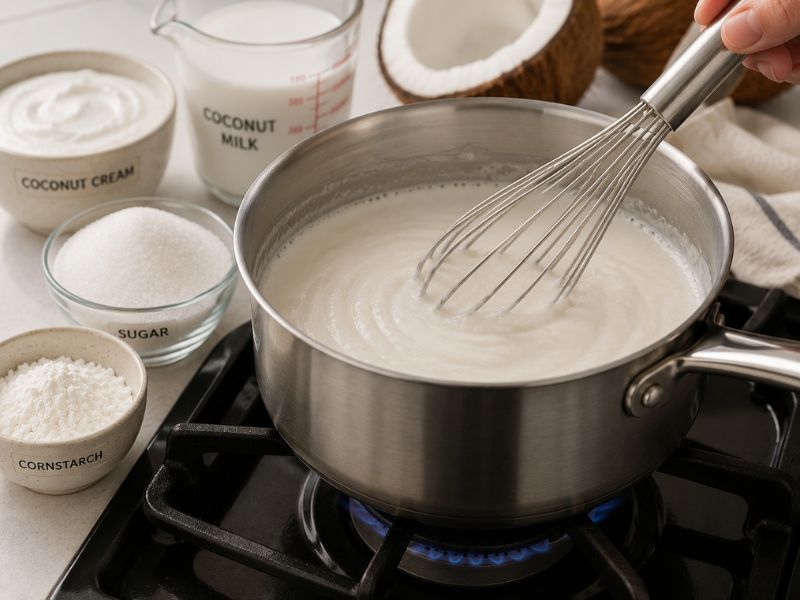
Place the saucepan over medium-low heat. Keep whisking or stirring as the mixture warms.
You are not trying to boil the coconut base. The goal is to dissolve the sugar and allow the cornstarch to thicken the mixture slightly. Once it looks smooth and lightly thickened, remove the saucepan from the heat.
Stir in the vanilla extract after removing the mixture from the heat.
3. Cool and Chill the Base
Pour the coconut mixture into a clean heatproof container. Let it cool for a short time, then cover it and place it in the refrigerator.
Chill the base until it is completely cold, preferably for at least 4 hours.
This step is easy to overlook, but it makes a difference. A properly chilled base freezes more efficiently and gives an ice cream maker a better starting point.
4. Churn the Coconut Ice Cream
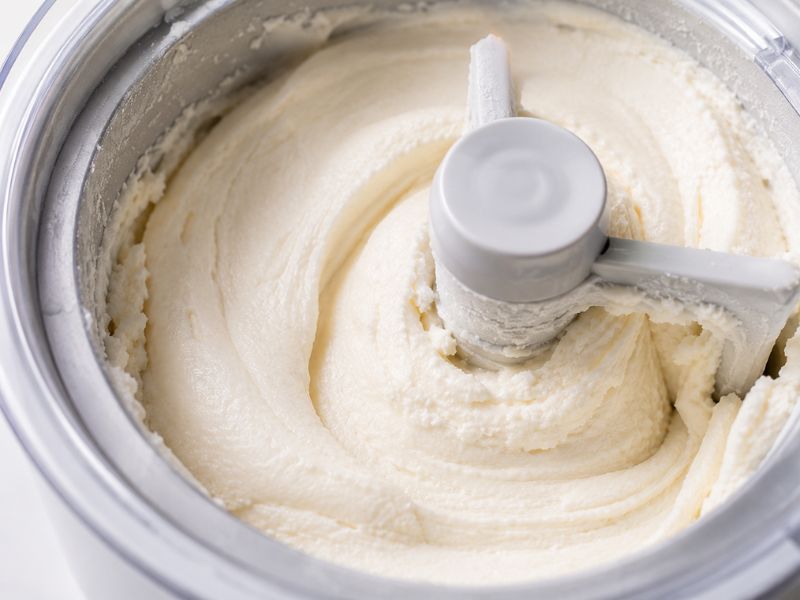
Once the mixture is cold, pour it into your ice cream maker.
Churn according to the manufacturer’s instructions. Depending on the machine, this may take around 20 to 30 minutes, but the texture is more important than the exact time.
The mixture should become thick and creamy, similar to soft-serve ice cream.
If you’re using shredded coconut, add it during the final few minutes of churning so it spreads evenly through the ice cream.
5. Freeze Until Firm
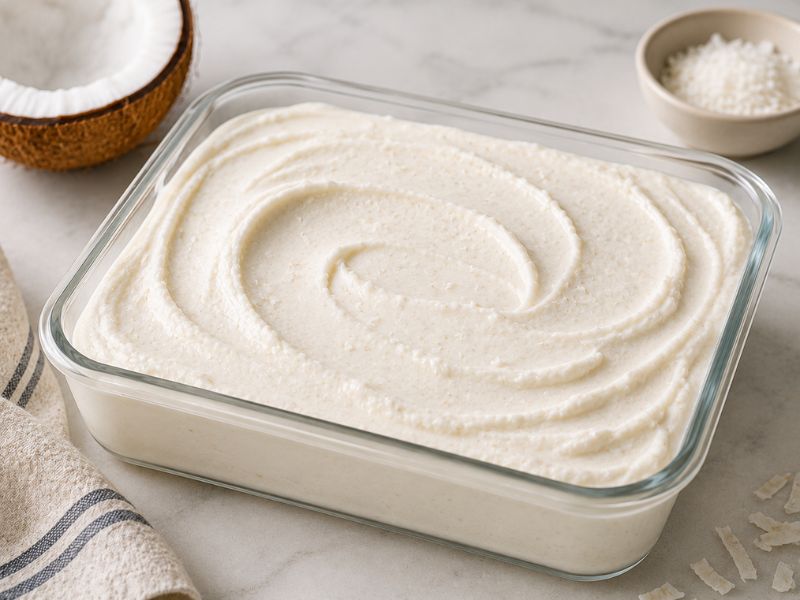
Transfer the churned ice cream to a freezer-safe container. Use a spatula to smooth the top, then cover the container tightly.
Freeze for about 3 to 4 hours, or until it reaches the firmness you prefer.
For easier scooping, let the container sit at room temperature for a few minutes before serving.
No-Churn Coconut Ice Cream
No ice cream maker? No problem. You can still make a satisfying homemade coconut ice cream with a little extra attention during freezing.
Prepare the coconut base as described above, then cool and chill it completely.
Pour the cold mixture into a shallow freezer-safe container. Place it in the freezer and stir thoroughly every 30 to 45 minutes during the first few hours of freezing.
Breaking up the forming ice crystals helps create a smoother texture. Continue this process until the mixture becomes thick and mostly frozen, then leave it undisturbed until completely firm.
The texture may be slightly different from machine-churned ice cream, but the method works well when you want a simple frozen dessert without special equipment.
Tips for Creamy Coconut Ice Cream
Getting a smooth texture at home is mostly about controlling the amount of water, fat, and air in the mixture.
Use Full-Fat Coconut Milk
Full-fat coconut milk contains more coconut fat than light varieties, which helps give the ice cream a richer mouthfeel.
Chill the Base Completely
Don’t rush this step. Putting a warm or barely cooled mixture into an ice cream maker can make the freezing process less efficient.
Keep the Mixture Balanced
Adding too much fruit juice, water, or other liquid ingredients can make homemade ice cream icy. When adding flavors, use concentrated ingredients or thicker fruit purees when possible.
Don’t Overfill the Ice Cream Maker
The mixture expands as it churns. Follow the capacity recommended for your machine so the ice cream has enough room to move and incorporate air.
Soften Before Scooping
Homemade ice cream can become quite firm after several hours in the freezer. Let it sit out for a few minutes before serving to make scooping easier.
Common Mistakes to Avoid
Even a simple recipe can go wrong if a few small details are overlooked.
When making coconut ice cream, small details such as the type of coconut milk, chilling time, and storage method can make a noticeable difference in the final texture.
Using light coconut milk: This can result in a less creamy texture because of the higher water content.
Skipping the chilling step: A warm base will not churn as effectively as a properly chilled one.
Adding too much liquid flavoring: Extra liquid can increase ice crystal formation and make the finished dessert harder.
Freezing in a loosely covered container: Air exposure can lead to freezer burn and unwanted ice crystals.
Trying to scoop immediately: If the ice cream is very firm, give it a few minutes at room temperature rather than forcing the scoop through it.
Overloading it with mix-ins: Large amounts of fruit or toppings can interfere with the texture and make the ice cream harder to scoop.
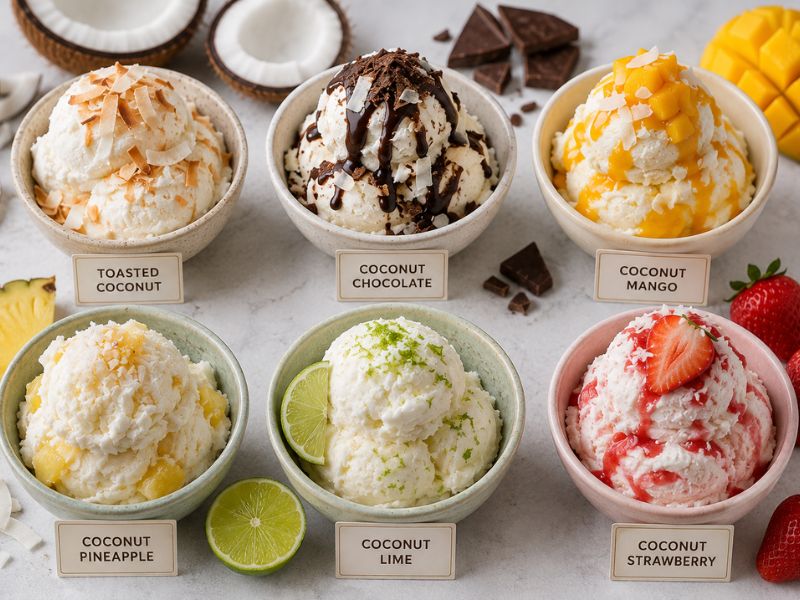
Delicious Coconut Ice Cream Variations
The basic recipe is delicious on its own, but coconut pairs well with many other flavors.
Toasted Coconut
Toast unsweetened coconut flakes until lightly golden and let them cool before adding them to the ice cream. Toasting gives the coconut a deeper, nuttier taste.
Chocolate Coconut
Add finely chopped dark chocolate or chocolate chips near the end of churning. The combination of chocolate and coconut creates a richer dessert.
If you enjoy rich chocolate flavors, you may also like this chocolate ice cream recipe, which makes another delicious homemade frozen treat.
Mango Coconut
Fold a small amount of thick mango puree into the chilled coconut base before churning. Sweet mango adds a bright tropical note.
If you love fresh tropical flavors, you may also enjoy this Propitious Mango Ice Cream, another creamy homemade dessert with a bright mango taste.
Pineapple Coconut
Add small pieces of well-drained pineapple for a tropical combination. Make sure excess juice is removed so you don’t add unnecessary water to the ice cream.
Coconut Lime
A little finely grated lime zest can make the coconut flavor taste brighter and fresher. Add the zest to the chilled base before churning.
Strawberry Coconut
Chopped strawberries or a small amount of thick strawberry puree can give the ice cream a fruity flavor and a pleasant color contrast.
How to Store Coconut Ice Cream
Good storage can make a noticeable difference in the texture of homemade ice cream.
Transfer the finished coconut ice cream to a freezer-safe container with a tight-fitting lid. A shallow container is helpful because the ice cream freezes more evenly.
Keep the container toward the back of the freezer where the temperature tends to stay more consistent. Try not to leave the container open for long periods, and avoid repeatedly allowing the entire batch to melt and refreeze.
For the best texture and flavor, homemade ice cream is generally best enjoyed within a couple of weeks. It can remain frozen longer, but you may notice more ice crystals or a firmer texture over time.
When you’re ready to serve it, let the container sit out for a few minutes. This small step can make the ice cream much easier to scoop.
Serving Ideas
Coconut ice cream is delicious on its own, but a few simple toppings can make it feel more special.
Try serving it with:
- Toasted coconut flakes
- Fresh mango pieces
- Sliced strawberries
- Dark chocolate shavings
- Crushed cookies
- A little lime zest
- Chopped nuts
- Fresh pineapple
For another classic frozen dessert, you can also explore Neapolitan ice cream, known for its combination of chocolate, vanilla, and strawberry flavors.
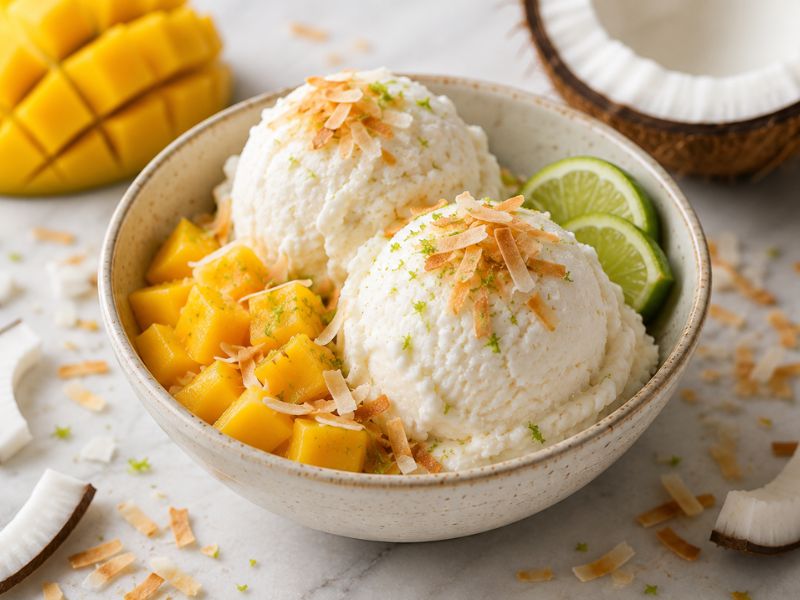
For a simple presentation, scoop the ice cream into a chilled bowl and finish it with toasted coconut and a few pieces of fresh fruit.
Frequently Asked Questions
Can I make coconut ice cream without an ice cream maker?
Yes. Use the no-churn method by placing the chilled coconut mixture in a shallow container and stirring it every 30 to 45 minutes during the early freezing stage. This helps break up larger ice crystals.
Can I use coconut milk instead of heavy cream?
Yes. Full-fat coconut milk can provide the richness needed for coconut milk ice cream. Coconut cream adds even more body and coconut flavor, so using both creates a particularly rich base.
Why is my coconut ice cream too hard?
Homemade ice cream often freezes harder than commercial ice cream because it contains fewer stabilizers. Too much water in the mixture can also contribute to a hard, icy texture. Let the ice cream soften for a few minutes before scooping.
How can I make coconut ice cream creamier?
Use full-fat coconut milk and coconut cream, chill the base thoroughly before churning, and avoid adding too much watery liquid. Proper storage also helps maintain a smoother texture.
Can I add shredded coconut to coconut ice cream?
Yes. Unsweetened shredded coconut works well in the base, while toasted coconut flakes make a flavorful topping. Add shredded coconut toward the end of churning so it remains evenly distributed.
Is coconut ice cream dairy-free?
This recipe uses coconut milk and coconut cream rather than dairy milk or heavy cream. If you need the dessert to be strictly dairy-free, check the labels of all packaged ingredients to make sure they contain no dairy ingredients.
How long does homemade coconut ice cream last in the freezer?
For the best quality, try to enjoy it within a couple of weeks. It can stay frozen longer, but its texture may gradually become harder or develop more ice crystals.
Conclusion
Homemade coconut ice cream is a refreshing dessert that brings together rich coconut flavor, a creamy texture, and simple ingredients. Once you have the basic method down, it’s easy to make it your own with toasted coconut, fresh fruit, chocolate, or a little lime. Whether you use an ice cream maker or try the no-churn method, a little patience with chilling and freezing can make a big difference. It’s a simple treat to keep in the freezer when you want something cool, sweet, and homemade.

I am an SEO Specialist with 2 years of experience in keyword research, on-page SEO, content optimization, and WordPress SEO. At Desserts Avenue, I focus on creating SEO-friendly content, improving search visibility, and helping readers find valuable dessert recipes and guides through organic search.