

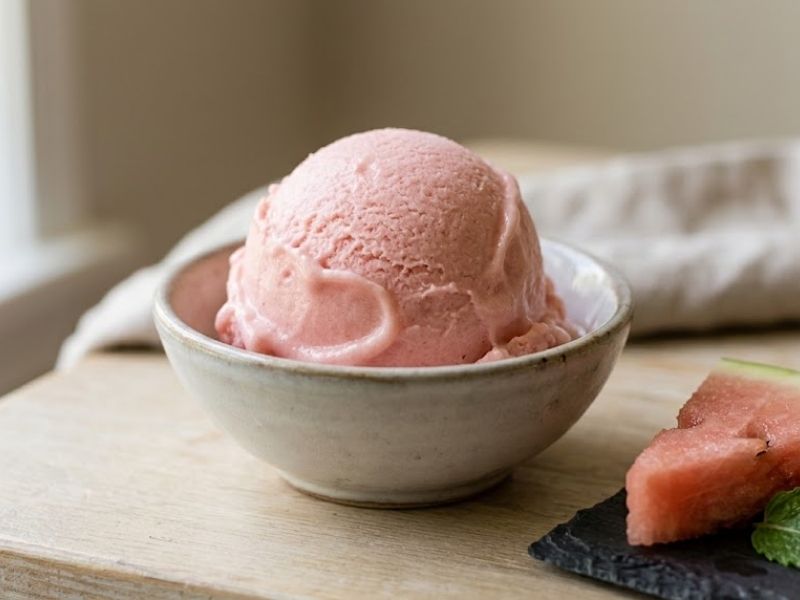
Watermelon is naturally juicy, refreshing, and full of summer flavor, but turning it into a creamy frozen dessert takes a little more thought than simply freezing the fruit. Because watermelon contains a lot of water, it can become hard and icy when frozen on its own. The right balance of fruit, sweetness, and creamy ingredients helps create a smoother dessert with a more pleasant scoopable texture.
This watermelon ice cream recipe is designed as a simple homemade option that does not require an ice cream maker. Fresh watermelon provides the main flavor, while the creamy ingredients help soften its naturally watery texture. The result is a cool dessert with a bright fruit taste and a creamy consistency that works especially well after a meal or as a warm-weather treat.
Quick Recipe Overview
Prep time: About 15 minutes
Freezing time: Several hours
Difficulty: Easy
Equipment: Blender or food processor, mixing bowl, freezer-safe container
Method: No-churn
Flavor: Fresh, sweet, creamy, and fruity
The key to smooth Watermelon Ice Cream is removing as much excess water as practical before combining the fruit with the creamy base.
Why You’ll Like This Recipe
- No ice cream machine required: A freezer-safe container and basic kitchen equipment are enough.
- Fresh fruit flavor: Ripe watermelon gives this Watermelon Ice Cream its naturally recognizable taste.
- Simple preparation: The ingredients require little cooking or complicated preparation.
- Easy to customize: You can adjust the sweetness or add complementary flavors.
- Useful for make-ahead desserts: Once frozen, it can be kept ready for serving when needed.
Ingredients You’ll Need
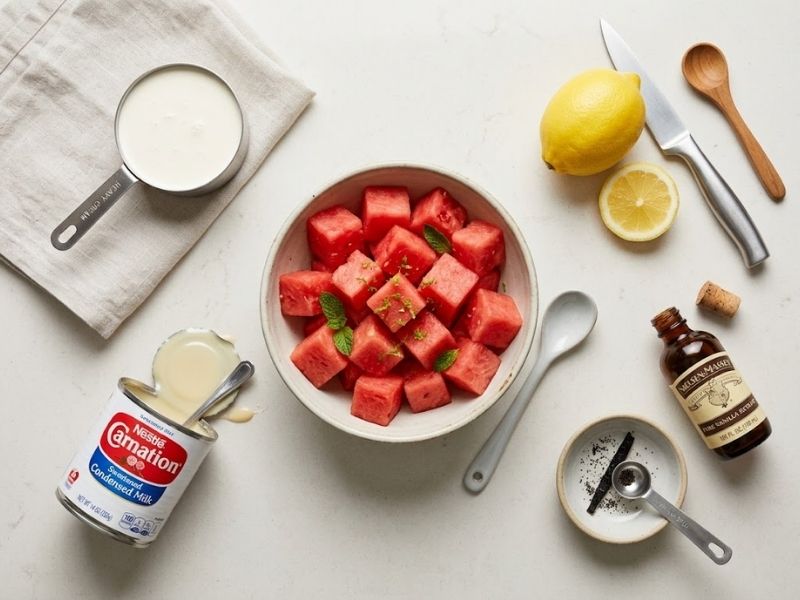
Fresh watermelon
Choose a ripe, sweet watermelon with good flavor. Since watermelon is the main flavor in this dessert, bland or underripe fruit will produce a less flavorful result.
Remove the rind and seeds, then cut the watermelon into small pieces for the Watermelon Ice Cream base. If the watermelon is particularly watery, allowing the pieces to drain briefly can help reduce excess liquid.
Sweetened condensed milk
Sweetened condensed milk adds sweetness while also contributing body and creaminess. It is especially useful in a no-churn preparation because it helps create a softer frozen texture.
Heavy cream
Heavy cream provides the creamy foundation. When whipped before being folded into the watermelon mixture, it adds air that helps keep the finished dessert lighter rather than dense and icy.
Fresh lemon juice
A small amount of lemon juice can brighten the watermelon flavor. It should support the fruit rather than dominate it.
Vanilla extract
Vanilla is optional, but a small amount can round out the creamy flavor and make the dessert taste more balanced.
Ingredient Tips for Better Texture
The watermelon deserves the most attention when making Watermelon Ice Cream because of its high water content. If you use a large amount of watery juice, the dessert has more liquid available to form ice crystals during freezing.
For better results, use ripe fruit without adding unnecessary watermelon juice. Blend the flesh until smooth, then work with the amount needed for the recipe instead of pouring in every liquid collected during preparation.
Keep the heavy cream cold before whipping. Cold cream generally whips more effectively and gives the mixture a lighter structure.
How to Make Watermelon Ice Cream
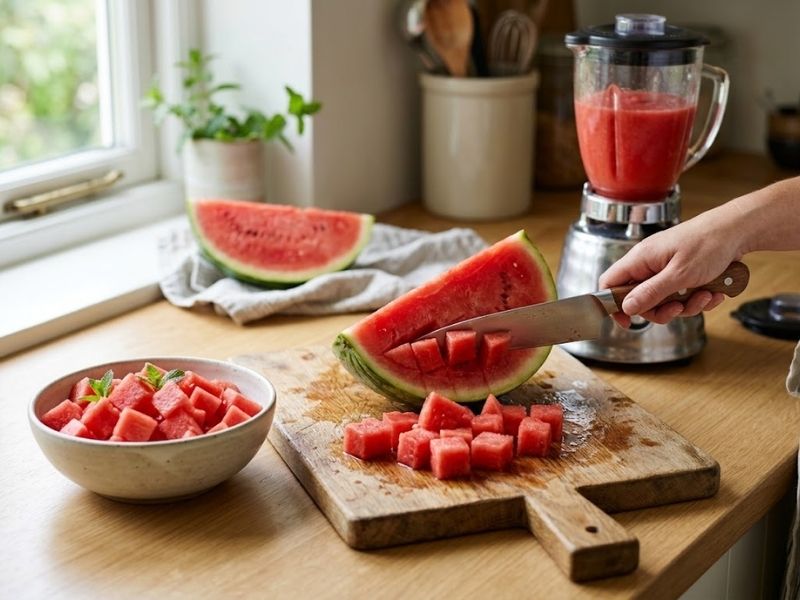
1. Prepare the watermelon
Cut the watermelon into small chunks and remove the rind and any seeds. Let the pieces drain for a few minutes if they are releasing a lot of juice.
Transfer the fruit to a blender or food processor and blend until smooth.
Do not add extra water. The watermelon already contains plenty of liquid.
2. Combine the watermelon and condensed milk
Measure the blended watermelon and combine it with the sweetened condensed milk to create the base for your Watermelon Ice Cream.
Add the lemon juice and vanilla if using them. Stir until the mixture is evenly combined.
Taste the mixture before adding it to the cream. This is a useful point to check the sweetness because watermelon varies considerably from one fruit to another.
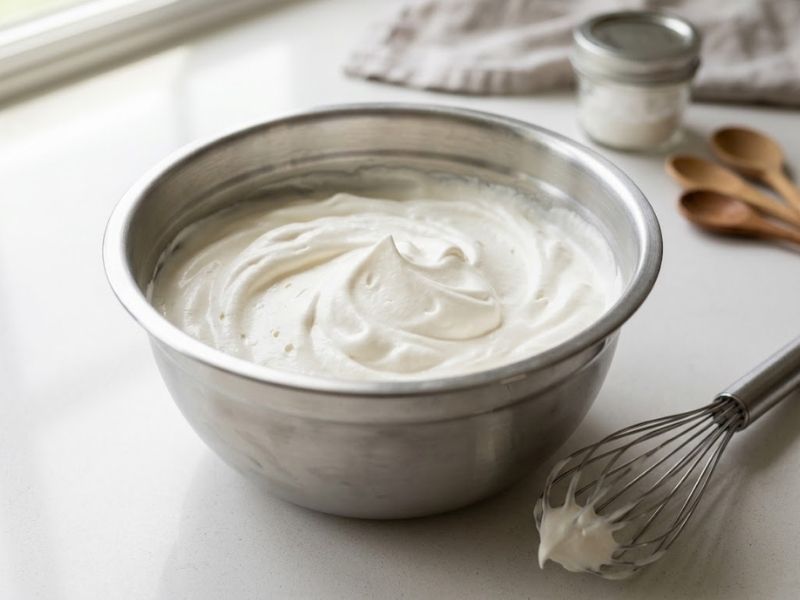
3. Whip the cream
Pour the chilled heavy cream into a clean bowl. Whip until it reaches soft-to-medium peaks.
Avoid whipping it until it becomes dry or grainy. You want enough structure to hold air while still being smooth enough to fold into the fruit mixture.
4. Fold everything together
Add a portion of the whipped cream to the watermelon mixture and gently fold it in.
Then add the remaining whipped cream and continue folding until the mixture is mostly uniform.
Use a gentle motion rather than vigorous stirring. Preserving some of the air in the whipped cream helps give Watermelon Ice Cream a lighter final texture.
5. Transfer and freeze
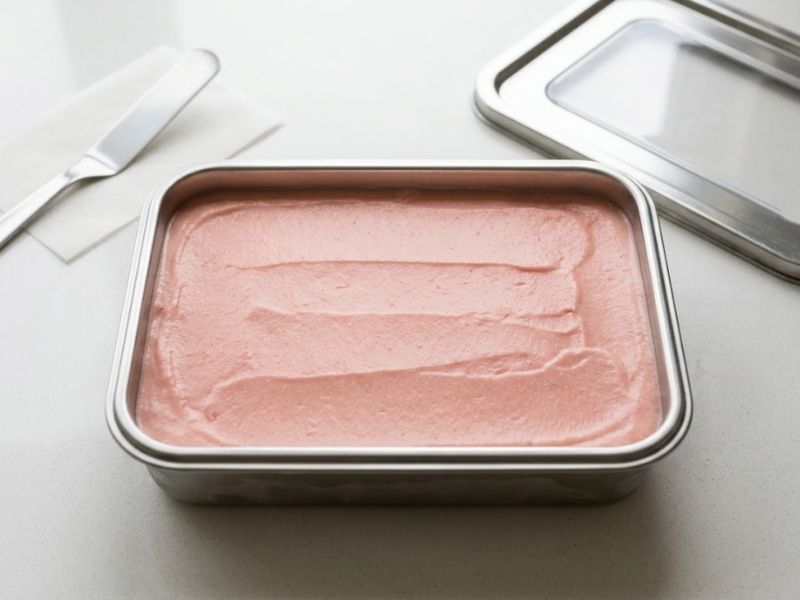
Pour the mixture into a shallow freezer-safe container. A container with a secure lid is ideal.
Smooth the surface, cover it well, and place it in the freezer.
Freeze until firm enough to scoop. The exact time depends on the depth of the container and the temperature of the freezer.
How to Keep Watermelon Ice Cream From Becoming Too Icy
Watermelon Ice Cream can become icy because watermelon contains significantly more water than many traditional ice cream ingredients. When that water freezes, it forms ice crystals. Large crystals are what can make homemade frozen desserts feel hard, crunchy, or icy.
There are several practical ways to improve the texture.
Start with ripe fruit: A flavorful watermelon means you do not need to compensate for weak flavor with excessive liquid or sweeteners.
Avoid extra juice: Do not add water or unnecessary watermelon juice to the mixture.
Use enough creamy ingredients: The cream and condensed milk help balance the watery fruit.
Freeze the mixture promptly: Once the base is prepared, transfer it to the freezer rather than allowing it to sit at room temperature.
Use a shallow container: A shallower layer can freeze more efficiently than a very deep container.
Keep the container covered: A secure lid helps protect the surface from freezer air and unwanted odors.
How to Choose a Better Watermelon
The quality of the fruit makes a noticeable difference in a fruit-based frozen dessert.
Look for a watermelon that feels heavy for its size, which can indicate a good amount of juice. The field spot—the area where the melon rested against the ground—should generally have a creamy or yellowish appearance rather than being completely white.
The watermelon should also have a full, mature appearance rather than looking unusually pale or underdeveloped.
Most importantly, use your senses. A watermelon with good flavor when eaten fresh is much more likely to produce flavorful homemade ice cream.
What If the Ice Cream Freezes Too Hard?
Homemade frozen desserts can become quite firm after several hours or overnight.
If your dessert is difficult to scoop straight from the freezer, allow it to sit at room temperature briefly before serving. Do not leave it out for an extended period.
A shallow container can also make serving easier because the frozen layer is not excessively deep.
If the finished dessert is consistently too icy, the most likely issue is excess water in the watermelon mixture. For the next batch, use less free liquid and pay closer attention to the fruit-to-cream balance.
Common Mistakes to Avoid
Using underripe watermelon
Problem: The finished dessert tastes weak or watery.
Why it happens: The fruit does not have enough natural sweetness or flavor.
Fix: Choose a ripe watermelon with a strong, pleasant flavor before preparing the recipe.
Adding extra water
Problem: The ice cream becomes harder and icier.
Why it happens: Additional water increases the amount of liquid that freezes into ice crystals.
Fix: Blend the watermelon by itself without adding water.
Overwhipping the cream
Problem: The mixture becomes difficult to fold smoothly.
Why it happens: Excessive whipping can make cream thick and grainy.
Fix: Stop when soft-to-medium peaks form.
Stirring aggressively
Problem: The final mixture loses some of its lightness.
Why it happens: Vigorous mixing can deflate whipped cream.
Fix: Fold gently until combined.
Leaving the container uncovered
Problem: The surface can develop ice crystals or absorb freezer odors.
Why it happens: Unprotected frozen desserts are exposed to cold, dry freezer air.
Fix: Use a tightly sealed freezer-safe container.
Expecting scoopable texture immediately after deep freezing
Problem: The dessert seems too hard.
Why it happens: Homemade frozen desserts often firm up considerably at freezer temperature.
Fix: Give it a short rest before scooping.
Serving Suggestions
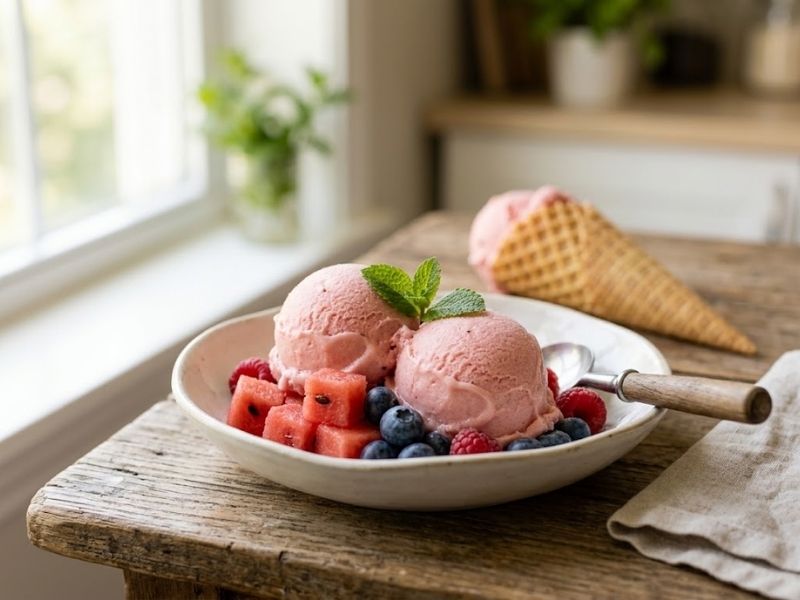
Serve Watermelon Ice Cream in chilled bowls or cones for a simple presentation. Fresh watermelon cubes can add color and reinforce the fruit flavor.
A few fresh mint leaves also pair naturally with watermelon. For a slightly more dessert-like presentation, serve a scoop alongside fresh berries or a light fruit salad.
If you are preparing it for guests, take the container out shortly before serving so the texture has a chance to soften slightly. For another naturally fruity option, Banana Ice Cream offers a creamy base with a completely different flavor profile.
Flavor Variations
Watermelon Mint
Add finely chopped fresh mint for a cooling herbal note that complements watermelon.
Watermelon Lime
Replace the lemon juice with fresh lime juice for a sharper citrus finish.
Watermelon Berry
Swirl in a small amount of strawberry or raspberry puree for a mixed-fruit variation.
Watermelon Chocolate Chip
Add a modest amount of mini chocolate chips after the base has been combined. The chocolate provides a contrasting texture and flavor.
Creamy Coconut Watermelon
A small amount of coconut flavor can create a tropical variation. Keep the addition restrained so the watermelon remains recognizable.
For a different fruit-forward flavor, you can also explore Propitious Mango Ice Cream for a richer tropical profile.
Storage Tips
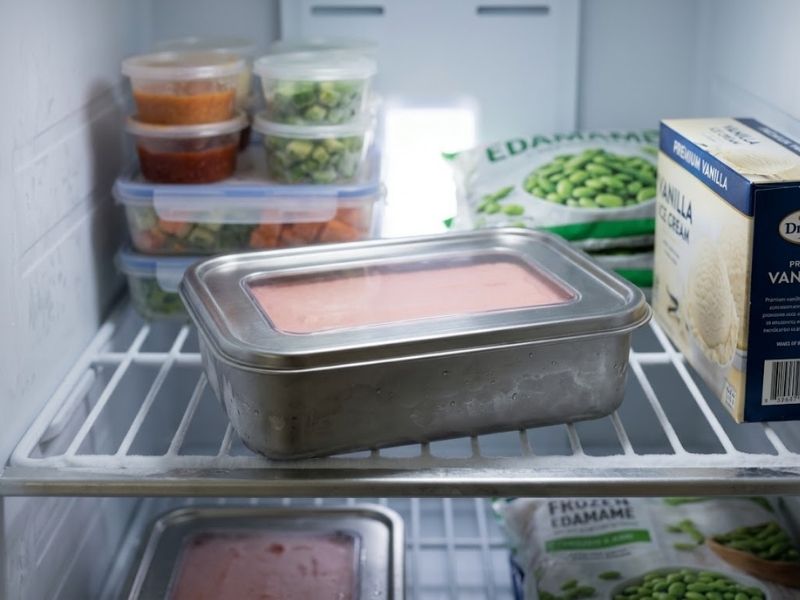
Keep your Watermelon Ice Cream in a tightly sealed freezer-safe container to help protect its texture.
For the best texture, avoid repeatedly leaving the container out and returning it to the freezer. Repeated temperature changes can encourage additional ice crystals to develop.
Store it toward the back of the freezer rather than near the door, where temperatures can fluctuate more frequently.
For serving, allow the container to sit briefly before scooping. If the ice cream has been frozen for a long time and has developed an unusually icy texture, its quality may have declined even though it remains frozen.
For those who prefer familiar multi-flavor combinations, Neapolitan Ice Cream is another classic worth exploring.
Frequently Asked Questions
Can I make watermelon ice cream without an ice cream maker?
Yes. This recipe uses a no-churn method. Whipped cream provides some of the structure and air that an ice cream machine would normally help incorporate.
Why is my watermelon ice cream icy?
The most common reason is excess water. Watermelon naturally contains a large amount of liquid, so adding extra juice or using an especially watery mixture can increase ice formation.
Can I use frozen watermelon?
You can, but the texture and liquid content may differ from fresh watermelon. If using frozen fruit, thaw it appropriately and avoid adding excess liquid to the mixture.
Can I make it less sweet?
Yes. The sweetness can be adjusted, but remember that frozen desserts taste less sweet when very cold. Make small adjustments and taste the unfrozen mixture before freezing.
How long does homemade watermelon ice cream take to freeze?
The freezing time depends on the container, freezer temperature, and depth of the mixture. A shallow container generally freezes faster than a deep one. Freeze until firm and scoopable.
Do I have to add lemon juice?
No. Lemon juice is optional, but a small amount can brighten the fruit flavor and balance the sweetness.
What is the best way to scoop it after freezing?
Let the container rest briefly at room temperature before scooping. A warm, sturdy scoop can also make serving easier without needing to melt the entire container.
Conclusion
Homemade watermelon ice cream is a refreshing way to turn ripe fruit into a creamy frozen dessert without complicated equipment. For the best texture, use flavorful watermelon, avoid excess liquid, keep the cream cold, and fold the mixture gently before freezing.
Once you have the basic method down, you can easily try flavors like lime, mint, berries, or coconut. It is a simple homemade treat when you want something fruity, cool, and different from traditional ice cream flavors.